
Chimney Liner Repair in Braintree, MA
Independent local contractors · Price explained before any work starts · Boston and 20 nearby cities and towns
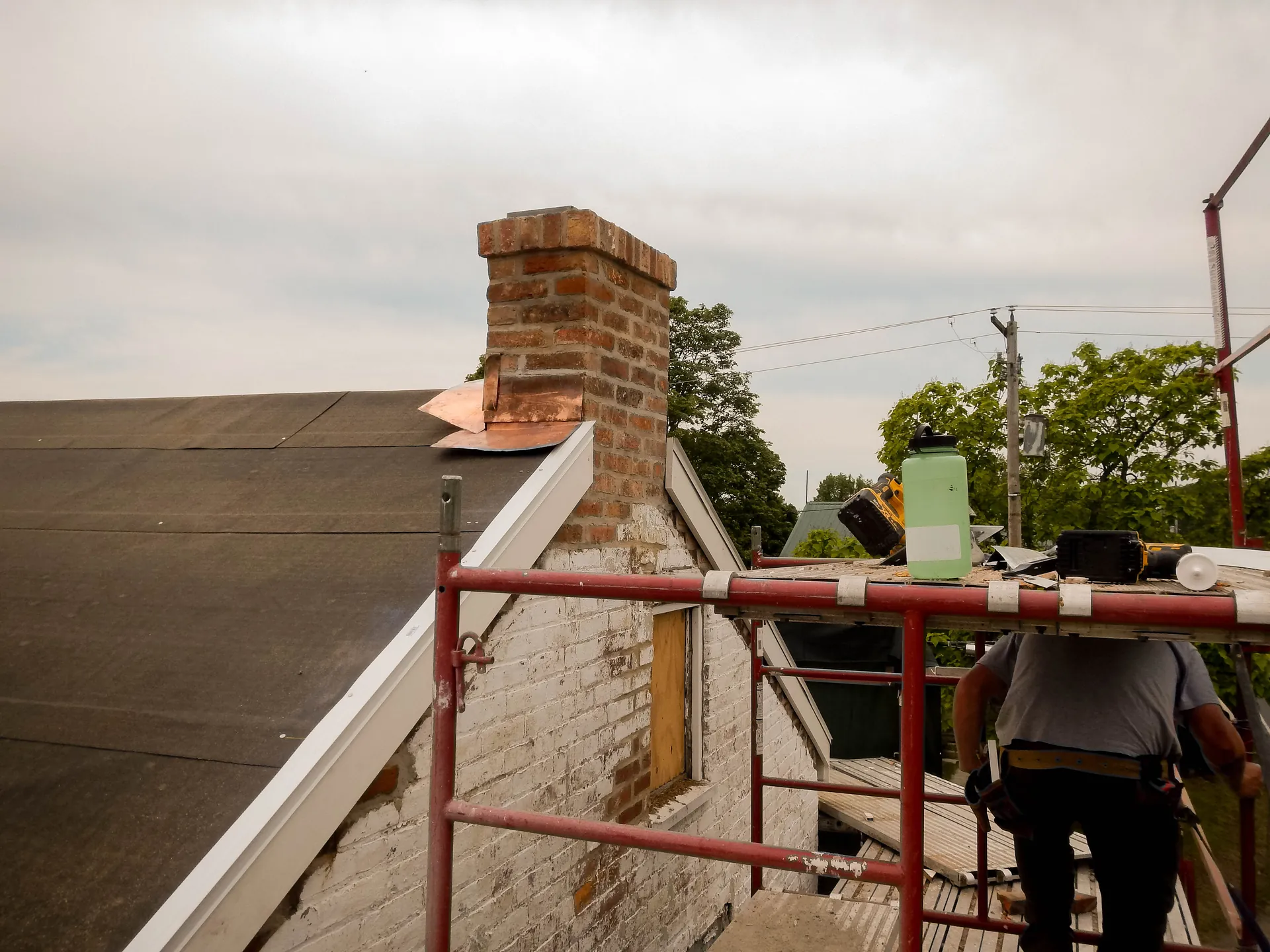
Need chimney liner repair in Braintree? The liner is the inner surface of the flue. In older houses it is often clay tile, and tile can crack or shift over the years. A damaged liner can let heat and gases reach the masonry, which is why a camera inspection is usually the first step. Repair options depend on what the camera shows and what the chimney serves.
At a glance Who does the work: an independent local chimney contractor · Price: explained before any work starts · Area: Braintree and nearby towns · How: call (617) 751-6200 or send the short form
Chimneys in Braintree: what a local contractor sees
Braintree is a South Shore town at the split of Route 3 and Interstate 93. Braintree is a town of single-family neighborhoods: capes, ranches, split-levels and colonials, a great many of them built in the building boom after the Second World War. Most have one brick chimney doing two jobs.
That shared chimney usually has a fireplace flue and a second flue for the furnace or boiler. Problems in one can affect the other, for example when a cracked divider lets exhaust cross between them.
Oil heat is still found in many South Shore homes. Oil soot is different from wood soot, and a flue serving an oil burner benefits from being cleaned and checked along with the burner service.
East Braintree near the Fore River has older houses and some waterfront exposure, where wind-driven rain tests flashing and crowns.
When to ask about chimney liner repair
How do you know it is time to ask? People usually describe one or more of these:
- A camera inspection that shows cracks, gaps or missing tile
- Smoke or odor entering the house
- A new or changed appliance connected to an old flue
- Water or soot staining on interior walls near the chimney
- Chimney fire history
- A flue that was never lined
Why it happens, and why it happens here
Moisture and flue gases do slower damage. Exhaust from oil and gas appliances contains water vapor and acids. If the flue is too large or too cold, that vapor condenses on the liner and soaks in, and the tile surface begins to flake and fall away. Rain entering an uncapped flue adds to it. Pieces of tile at the base of the chimney are a common first sign.
Sometimes the liner is simply wrong for the job, or absent. Many chimneys built before liners became standard practice have none. Others were lined for an appliance that has since been replaced, so a flue sized for an old boiler or an open fireplace now serves equipment that needs something smaller. In those cases relining is about matching the flue to what it vents.
What chimney liner repair involves
Liner work nearly always begins with a camera inspection, so the technician can show you the damage and its extent. The options then depend on the liner and the appliance. Minor joint gaps in clay tile can sometimes be repaired with a resurfacing system applied inside the flue. Wider damage, or a change of appliance, usually leads to relining, most often with a stainless steel liner sized to the appliance and commonly insulated. Occasionally damaged tiles are broken out first to make room. Afterwards the top is sealed with a plate and cap, and the appliance connection is remade.
Do this first: a homeowner checklist
- Stop using the fireplace or applianceDo not light another fire until someone has looked at the chimney. If the problem is with a stove, insert or boiler flue, leave that appliance off as well if you can do so safely. Using it again can make damage worse.
- Smoke, gas or a CO alarm: leave firstRoaring from the flue, flames at the chimney top or thick smoke indoors are emergency signs. Get out and call the fire department. Even if it stops by itself, do not use the chimney again before an inspection.
- Do not light a test fireSkip the experiment with newspaper or a starter log. If an animal, a nest or fallen tile is in the flue, a fire will not clear it. It only adds heat and smoke to a flue that cannot vent.
- Note what you see, hear and smellA short list helps: what the chimney serves, what you burn, when it was last swept if you know, and what changed. You do not need to diagnose anything. Just describe what you noticed in plain words.
- Send a requestFill in the short form with what you noticed and where you live. A local chimney technician gets the request and calls. That call is the moment to ask how soon a visit is possible.
What happens after you send a request
- Send the short requestChoose the job type, your town and leave a name, phone number and ZIP code. Add a line about what the chimney serves if you know. It takes about a minute and you describe the problem once.
- We pass it to a local contractorAn independent chimney contractor covering Braintree receives what you sent. That contractor, not this website, is the business that does the work and is responsible for it.
- The technician calls youExpect a phone call from the chimney contractor. Describe the symptoms, mention how the roof is reached if you know, and ask when someone can come out to look.
- They look at the chimney and explain the priceAfter looking at the flue, the masonry and the appliance connection, the contractor lays out the choices and the cost of each. Ask for it in writing if the job is more than a routine sweep.
- The decision is yoursYou choose what happens next. Some homeowners book the work on the spot, and some take the findings away to think about. Either is fine, and the choice stays with you.
What a chimney visit usually involves
A typical sweep visit starts indoors. The technician commonly lays drop cloths in front of the fireplace or stove and sets up a vacuum to keep soot out of the room. The flue is then brushed, from the firebox, from the roof or both, depending on the chimney. While the tools are out, the firebox, damper and smoke chamber usually get a look as well. At the end you should hear what was found and whether anything needs a closer inspection. Details vary by contractor, so ask on the callback.
When it cannot wait
Some chimney problems can wait and some should not. A routine sweep, a cap for an unused flue or a worn mortar joint can usually be planned. Smoke backing into rooms, a flue you suspect is blocked, loose bricks above a walkway or an active leak in a storm are more pressing. Tell the technician which it is. And if anyone feels unwell around a running fireplace or boiler, leave the house and call the emergency number.
Masonry repair follows the thermometer. Mortar, crown material and water repellents need temperatures above freezing, and usually several dry days, to cure properly. That is why repointing, crown rebuilding and waterproofing are normally scheduled from spring through fall. In winter a contractor can often make a damaged chimney safe or weathertight for the moment and come back for the permanent repair when conditions allow. Ask what is realistic for the month you are in.
Chimney Liner Repair in Braintree? Talk to a technician.
Call (617) 751-6200What affects the price of chimney liner repair
We do not publish prices for chimney liner repair. A fair price comes from seeing the flue, the masonry and the roof, so the contractor quotes after looking. When that quote arrives, expect it to depend on:
- Liner type and condition
- Flue size and chimney height
- Which appliance the chimney serves
- Number of bends and access to the flue
- Whether other masonry repairs are needed first
When you compare quotes, compare the same scope: the same liner type, the same amount of repointing, the same inspection level. A low opening number with extras added later is not a lower price.
Why chimney liner repair is work for a technician
There is little hands-on work here for a homeowner, but there is useful observing. Check the cleanout door at the base of the chimney and the firebox floor for flakes or shards of tile. Note any new smoke smell, staining on walls near the chimney or condensation around a boiler flue pipe. Keep the paperwork from past inspections. Choosing a liner type and size, and installing it, is technician work, because a mismatched liner can cause draft and condensation problems.
Hearth brands local contractors commonly see
Chimney contractors around Boston commonly work on flues that serve stoves, inserts and fireplaces from the makers found in local homes, including Regency, Heatilator, Majestic, Jøtul, Vermont Castings and Hearthstone. If you can see a name on the appliance or its data plate, mention it in your request. Mass Chimney Sweep is not affiliated with any manufacturer.
Care that fits a New England chimney
- Keep the flue capped so rain cannot soak the liner.
- Have the flue checked whenever a boiler, furnace, stove or insert is replaced.
- Sweep regularly so creosote does not fuel a liner-cracking chimney fire.
- Warm a cold flue gradually instead of starting with a roaring fire.
- Ask for a camera inspection if tile fragments ever appear.
Where in Braintree requests come from
Requests come in from all over Braintree, including South Braintree, East Braintree, Braintree Highlands, Five Corners and Washington Street. Whether the chimney serves a fireplace, a stove or the boiler in the basement, the request reaches a contractor who works in the area. Nearby Quincy and Milton have their own pages.
How Mass Chimney Sweep works
- Your details stay on taskWhat you send is passed to a contractor so they can contact you about this request. It is not sold on for unrelated marketing.
- Plain information firstThe pages here explain chimney terms, common causes and safe first steps in ordinary language, so you know what to ask when the technician calls.
- A referral service, said plainlyMass Chimney Sweep connects homeowners with independent local chimney contractors. It is not the company that does the sweeping, inspection or repair, and it says so on every page.
- One short requestJob type, town, name, phone and ZIP code. You describe the chimney once, without calling around or filling in a long questionnaire first.
- Local, independent contractorsThe request goes to a chimney contractor who works in Braintree. There is no national call center between you and the person who looks at the flue.
- A look before a priceThe technician looks at the chimney and explains the options and the price before any work starts. You are not asked to agree to anything unseen.
Related pages
Looking for something more specific? These pages cover the services, towns and questions people ask about most:
- Chimney Liner Repair (all of Greater Boston)
- Chimney sweep, inspection and repair in Braintree
- Chimney Sweep and Cleaning in Braintree
- Chimney Inspection in Braintree
- Chimney Repair in Braintree
- Creosote Removal in Braintree
- Chimney Caps and Animal Removal in Braintree
- Chimney relining in Braintree
- Cracked chimney liner in Braintree
- Chimney liner for an oil-to-gas conversion in Braintree
- Fireplace insert liner in Braintree
- Flue tile repair in Braintree
- Stainless Steel Chimney Liner Installation
- Clay Flue Tile Repair
- Boiler and Furnace Flue Liner
- Wood Stove and Insert Liner
- Clay tile or stainless steel liner: what is the difference?
- Why does my new boiler need a chimney liner?
- What do pieces of tile in my fireplace mean?
Get chimney liner repair in Braintree moving
One request, one callback. The technician looks at the chimney, tells you what it needs and what that costs, and the decision stays with you.
Questions from Braintree
Does a liner need insulation?
Often it is recommended, and for wood-burning appliances it is commonly part of the liner's listing requirements. Insulation keeps flue gases warm, which improves draft and reduces condensation and creosote. The technician can explain what your appliance and chimney call for.
Can a cracked clay liner be repaired without relining?
Sometimes. Resurfacing systems can seal gaps and minor cracks from inside the flue when the tiles are otherwise sound and aligned. Broken, missing or badly offset tiles generally mean relining. A camera inspection is what decides it, so ask to see the footage.
Do all the flues in my chimney need lining?
Each flue is judged separately, by its own condition and by what it serves. One chimney may hold a fireplace flue in good order and a boiler flue that needs a liner, or the reverse. The inspection report should describe each flue individually.
Does the flue for my oil burner in Braintree need cleaning?
Yes, periodically. Oil soot and scale collect at the base of the flue and can restrict the draft. It is commonly checked when the heating system is serviced.
Is this the company that does the work?
Mass Chimney Sweep is a referral service that connects homeowners with local chimney contractors. The sweeping, inspection or repair is done by the independent contractor who takes your request, not by this site.
Do you give prices online?
No. The cost depends on the chimney, what it serves, how it is reached and what the technician finds, so the contractor quotes after looking and explains the price before any work starts.
Do I need a permit for chimney work?
Some work, such as installing a stove, relining for a new appliance or rebuilding a stack, may need a permit from the local building department, and historic districts can have their own rules. Requirements vary by town. Ask the contractor and check with Braintree officials.
Am I committed to anything by sending a request?
No. Sending a request does not commit you to any work. Whether the contractor charges for a visit or an inspection is up to them, so ask about that on the callback, before anyone comes out. After hearing the options you can say yes, no or not yet.
How does a request work?
You send the job type, your town, name, phone and ZIP code. The request is passed to an independent chimney contractor who serves Braintree. They call you back, look at the chimney, explain the options and the price, and you decide whether to go ahead.
Is it safe to use the fireplace before a technician sees it?
Not if smoke came into the room, something fell into the firebox, you heard an animal or you suspect a chimney fire. In those cases leave it unlit. If you only want a routine sweep and nothing seems wrong, ask the technician on the callback.