
Chimney Sweep and Cleaning in Winchester, MA
Independent local contractors · Price explained before any work starts · Boston and 20 nearby cities and towns
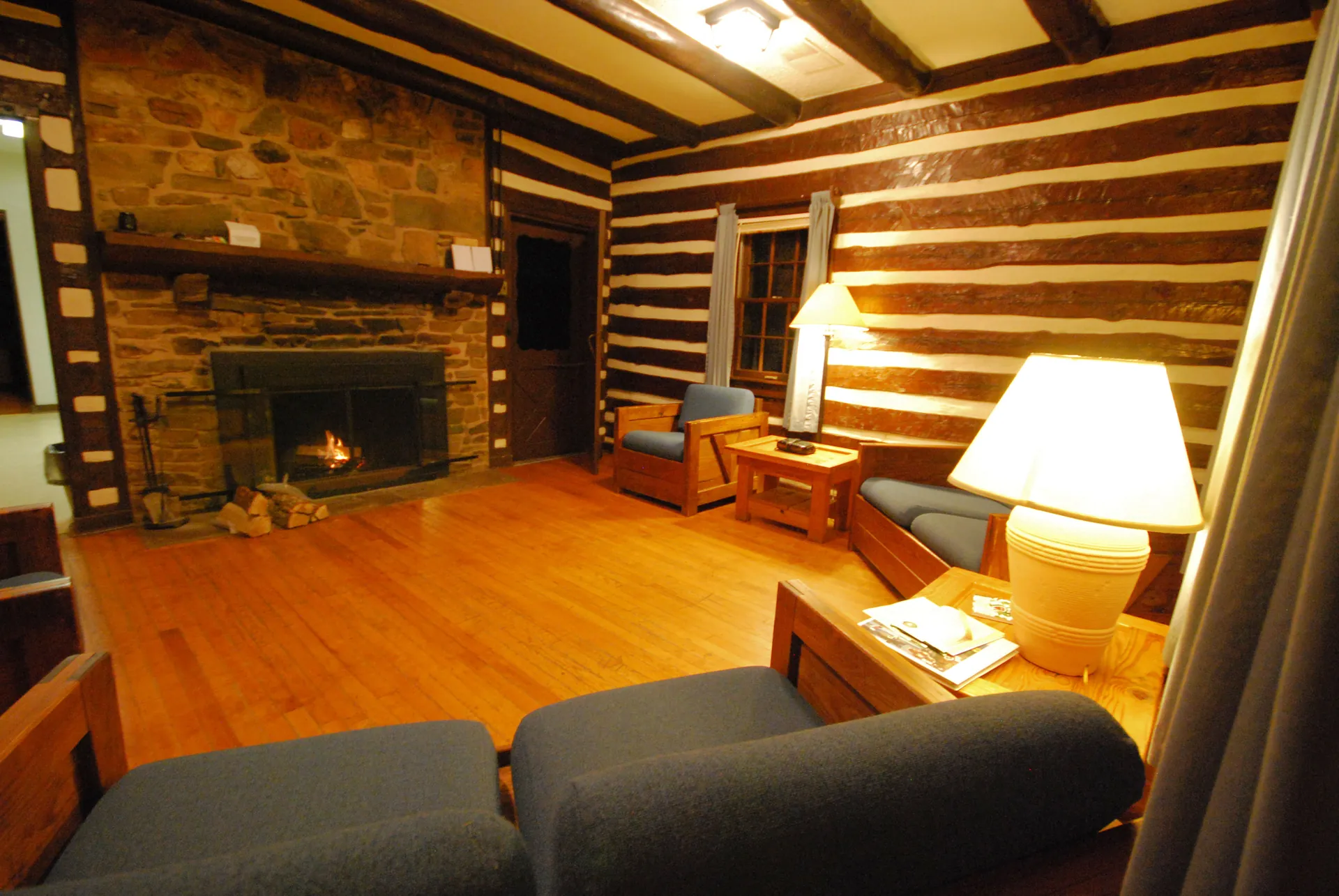
Need chimney sweep and cleaning in Winchester? A chimney that is used through the heating season collects soot and creosote on the inside of the flue. A sweep removes that buildup with brushes and a vacuum, looks at the firebox and damper while the tools are out, and tells you what he sees. The visit is also the natural moment to ask whether the chimney should have a closer inspection.
At a glance Who does the work: an independent local chimney contractor · Price: explained before any work starts · Area: Winchester and nearby towns · How: call (617) 751-6200 or send the short form
A local view of chimneys in Winchester
Winchester is a residential town north of Boston, around Winchester Center and the Mystic Lakes. Winchester is a town of Colonials, Tudors and Victorians on tree-lined streets, with Winchester Center as its commercial core. Brick chimneys on steep roofs are a defining feature.
Many of the older houses have a late-nineteenth or early-twentieth-century look, with fireplaces on the main floor and often in a second room. Roofs tend to be steep, and chimneys can be tall.
Mature trees shade a lot of the town. A chimney that stays damp is more likely to show spalling brick and mortar loss than one in full sun.
Houses near the lakes and low ground sometimes have damp cellars, and a chimney base that is damp can show it with staining and a musty smell.
How to tell it is time to ask for help
Chimneys usually give some warning before a problem becomes serious. These are the signs homeowners mention most:
- A fireplace or stove that smokes into the room
- A strong smoky smell when the fireplace is not in use
- Black, flaky or shiny deposits inside the firebox or on the damper
- A chimney that has not been cleaned since you moved in
- Slow, smoldering fires that never seem to draw well
- Soot falling into the firebox or the smell getting worse in humid weather
What causes these problems?
How you burn matters as much as how often. Wood that has not dried long enough spends its heat boiling off water, so the fire runs cool and smoky. Closing the air supply down to make a stove burn overnight does the same. Both habits are common, and both coat a flue faster than hot, bright fires of dry hardwood.
The chimney itself plays a part. A flue on an outside wall stays cold and condenses more smoke. A flue that is too large for the stove or insert connected to it lets the smoke slow down and cool. Oil and gas appliances leave different deposits, mostly soot and scale, which can still narrow or block the passage over time.
What chimney sweep and cleaning involves
A sweep generally begins with protecting the room: drop cloths at the hearth and a vacuum running to catch fine soot. The technician then brushes the flue with rods and brushes sized to the liner, working from the firebox, the roof or both. The smoke chamber, smoke shelf, damper and firebox are usually cleaned and looked over as well. For a stove or insert, the connector pipe and baffle area are part of the job. Afterwards the technician should tell you what came out and what the flue looks like.
Five safe steps while you wait
- Stop using the fireplace or applianceLet the fire burn down and close the glass doors or screen. Then leave the fireplace alone. A flue that is blocked, cracked or heavily coated is not something to test with one more evening by the fire.
- Smoke, gas or a CO alarm: leave firstIf you smell gas, see smoke filling a room or hear a carbon monoxide alarm, get everyone outside and call the emergency number from there. A chimney request is for afterwards. It is never the first call in an emergency.
- Do not light a test fireIt is tempting to light a small fire to see whether the problem is still there. Please do not. A test fire in a blocked or damaged flue can push smoke and carbon monoxide into the house.
- Note what you see, hear and smellA short list helps: what the chimney serves, what you burn, when it was last swept if you know, and what changed. You do not need to diagnose anything. Just describe what you noticed in plain words.
- Send a requestPick the job type that sounds closest, choose your town and leave a name and phone number. The request is passed to an independent local chimney contractor, who calls you back to talk it through.
What happens after you send a request
- Send the short requestChoose the job type, your town and leave a name, phone number and ZIP code. Add a line about what the chimney serves if you know. It takes about a minute and you describe the problem once.
- We pass it to a local contractorAn independent chimney contractor covering Winchester receives what you sent. That contractor, not this website, is the business that does the work and is responsible for it.
- The technician calls youA technician phones you back to go over the details. Have a few facts ready: the appliance, the fuel, the last sweep if you know it, and what made you send the request.
- They look at the chimney and explain the priceOn site, the technician looks at the chimney, often from the firebox and from the top, and explains what was found. You hear the options and the price before any work starts.
- The decision is yoursIf the plan and the price make sense to you, you approve it. If they do not, you are free to say no. There is no obligation attached to asking a contractor to look.
What to expect when the technician comes
For repair work the first visit is usually an assessment, not the repair itself. The technician looks at the damage, works out where water is getting in and decides how the chimney can be reached safely. Tall stacks and steep roofs may need staging, and that affects planning. You then get the options and the price. Masonry work is commonly scheduled around the weather, because mortar and crown material need mild, dry conditions to cure. Ask what the timeline looks like for your job.
When it cannot wait
How soon a technician can come depends on the contractor's schedule, the season and the weather, so this site does not promise a time. Ask on the callback. If smoke came into the house, a carbon monoxide alarm sounded or you think there was a chimney fire, say so in the first sentence. Those are the situations a contractor will want to hear about first, and the chimney should stay unused until it has been looked at.
Winter visits are possible, and sometimes necessary. A fireplace that starts smoking in January or an animal that moves in during a cold spell cannot wait for May. Sweeping and camera inspections can generally be done in cold weather, though snow and ice on the roof may limit what a technician can safely reach from the top. Spring is then the moment to check what winter did: look for fresh cracks, flaked brick and new stains after the thaw.
Chimney Sweep and Cleaning in Winchester? Talk to a technician.
Call (617) 751-6200What affects the price of chimney sweep and cleaning
We do not publish prices for chimney sweep and cleaning. A fair price comes from seeing the flue, the masonry and the roof, so the contractor quotes after looking. When that quote arrives, expect it to depend on:
- Whether the chimney serves a fireplace, a stove, an insert or a furnace
- How much buildup there is and what kind
- Roof pitch and how the chimney is reached
- Whether a cap or liner is in the way
- Whether an inspection or repair is added to the visit
Before you agree to anything, ask for the complete price: labor, materials, any staging and any return visit. A straightforward contractor explains all of it before starting and puts larger jobs in writing.
What is safe to do yourself, and what is not
A homeowner can safely shovel cold ash into a metal container, wipe the glass, look up past the damper with a flashlight and check from the ground that the cap is still in place. Burning dry wood is the most useful thing you can do yourself. Brushing the full flue is different. It means roof work, the right brush for the liner and a way to judge what you cannot see. That part, and anything involving glazed creosote, is technician work.
Hearth brands local contractors commonly see
The appliance at the bottom of the flue matters as much as the flue itself. Homes here often have a stove, insert or factory-built fireplace from one of these makers: Lopi, Napoleon, Regency, Heatilator, Majestic and Jøtul. Tell the technician which you have. Brand names are used only to identify equipment, and this site is not affiliated with any manufacturer.
How to keep a chimney healthy in Winchester
- Burn firewood that has been split and dried for at least a full season.
- Build smaller, hotter fires instead of large smoldering ones.
- Open the damper fully and warm the flue before the fire gets going.
- Store ash in a lidded metal container outdoors, away from the house.
- Ask for an inspection each year and a sweep when it shows buildup.
Coverage across Winchester and nearby
Winchester requests include homes in Winchester Center, Church Street, Wedge Pond, the Mystic Lakes and Washington Street. Older houses and newer ones are both welcome, and so are multi-family buildings where the chimney is shared. Neighbors over the line in Medford, Arlington, Woburn and Lexington can use the same short form.
- Chimney Sweep and Cleaning in Medford
- Chimney Sweep and Cleaning in Arlington
- Chimney Sweep and Cleaning in Woburn
- Chimney Sweep and Cleaning in Lexington
Straight answers about this service
- A referral service, said plainlyMass Chimney Sweep connects homeowners with independent local chimney contractors. It is not the company that does the sweeping, inspection or repair, and it says so on every page.
- One short requestJob type, town, name, phone and ZIP code. You describe the chimney once, without calling around or filling in a long questionnaire first.
- Local, independent contractorsThe request goes to a chimney contractor who works in Winchester. There is no national call center between you and the person who looks at the flue.
- A look before a priceThe technician looks at the chimney and explains the options and the price before any work starts. You are not asked to agree to anything unseen.
- No invented pricesYou will not find a made-up price list or a teaser rate here. Chimneys differ too much for that, so the contractor quotes after seeing yours.
- No time promisesThis site does not control any contractor's calendar, so it does not promise arrival times. Ask the technician on the callback and say if something is urgent.
Explore related services and areas
Looking for something more specific? These pages cover the services, towns and questions people ask about most:
- Chimney Sweep and Cleaning (all of Greater Boston)
- Chimney sweep, inspection and repair in Winchester
- Chimney Inspection in Winchester
- Chimney Repair in Winchester
- Creosote Removal in Winchester
- Chimney Liner Repair in Winchester
- Chimney Caps and Animal Removal in Winchester
- Chimney sweep near me in Winchester
- Fireplace cleaning in Winchester
- Wood stove chimney cleaning in Winchester
- Pellet stove vent cleaning in Winchester
- Chimney soot removal in Winchester
- Fireplace Chimney Sweep
- Wood Stove Chimney Sweep
- Fireplace Insert Cleaning
- Pellet Stove Vent Cleaning
- What affects the cost of a chimney sweep?
- How often should a chimney be swept?
- Why does my fireplace smoke into the room?
Ready to have the chimney looked at?
The next step takes about a minute. Tell us the job and your town, and an independent local chimney technician calls you back to talk it through.
Questions from Winchester
How can I tell the flue needs sweeping?
You often cannot tell from the living room. Hints include a stronger smoky smell, soot dropping into the firebox, fires that are slow to draw and dark deposits you can scrape with a poker just above the damper. The reliable answer comes from a technician looking at the flue.
Does burning hardwood mean the chimney needs less sweeping?
Dry wood matters more than the species. Seasoned oak, maple or ash burned hot leaves fairly little behind. The same wood burned wet leaves a lot, and so does any wood burned in a starved, smoldering fire. Either way the flue still needs its yearly look.
Is an oil or gas boiler flue cleaned in the same way?
The idea is the same, but the deposits are different. Oil flues collect soot and scale, and gas flues can shed liner material and collect debris at the base. A technician cleans the flue and the connector and checks that gases have a clear path out.
Why does the brick on my Winchester chimney look flaky?
Flaking or crumbling brick usually comes from water getting into the masonry and freezing. A technician can tell whether it needs sealing, repointing or rebuilding.
Is this the company that does the work?
Mass Chimney Sweep is a referral service that connects homeowners with local chimney contractors. The sweeping, inspection or repair is done by the independent contractor who takes your request, not by this site.
Do you give prices online?
No. The cost depends on the chimney, what it serves, how it is reached and what the technician finds, so the contractor quotes after looking and explains the price before any work starts.
How does a request work?
You send the job type, your town, name, phone and ZIP code. The request is passed to an independent chimney contractor who serves Winchester. They call you back, look at the chimney, explain the options and the price, and you decide whether to go ahead.
Is it safe to use the fireplace before a technician sees it?
Not if smoke came into the room, something fell into the firebox, you heard an animal or you suspect a chimney fire. In those cases leave it unlit. If you only want a routine sweep and nothing seems wrong, ask the technician on the callback.
Which towns do you cover?
Boston and 20 nearby cities and towns across Greater Boston. Pick your town in the form. If it is not listed, choose the closest option and name your town when the technician calls, so they can tell you whether they travel there.
What should I have ready when the technician calls?
What the chimney serves, what you burn, when it was last swept or inspected if you know, what you noticed and when, and roughly how tall the house is. Photos from the ground help. Your town and ZIP code complete the picture.