
Creosote Removal in Lexington, MA
Independent local contractors · Price explained before any work starts · Boston and 20 nearby cities and towns
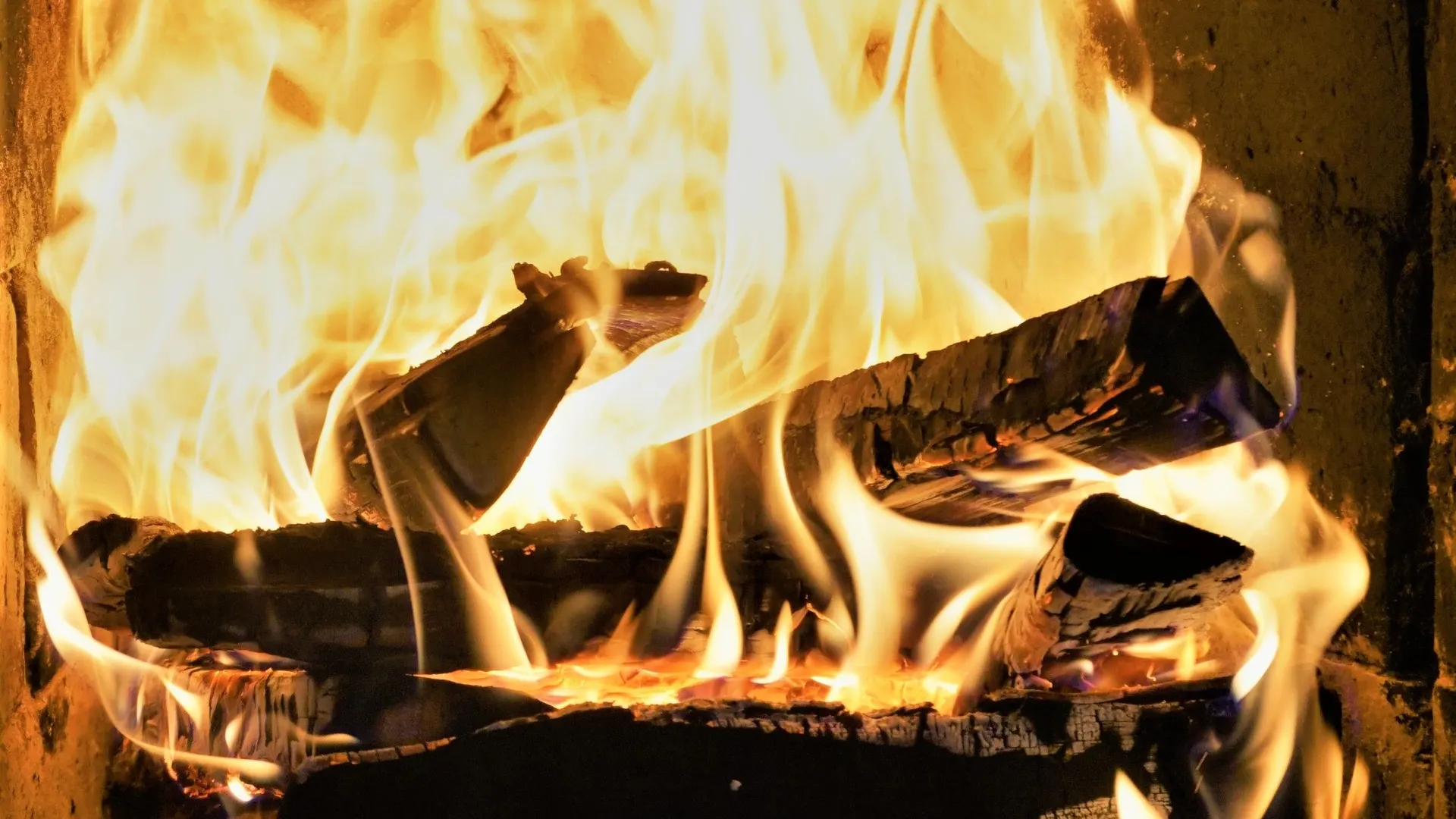
Need creosote removal in Lexington? Creosote forms when wood smoke cools in the flue and leaves deposits. It can be dry and flaky, or hard and shiny, and the harder kinds are much more difficult to remove. Heavy buildup is also a fire risk, which is why it is worth getting a technician to look instead of lighting another fire.
At a glance Who does the work: an independent local chimney contractor · Price: explained before any work starts · Area: Lexington and nearby towns · How: call (617) 751-6200 or send the short form
Lexington chimneys, looked at by someone local
Lexington is a historic town northwest of Boston, home to the Battle Green. Lexington combines houses from the colonial period near the Battle Green with large Colonials and ranches built after the war. Fireplaces and wood stoves are part of everyday life in many of them.
Older houses near the center can have large central chimneys, sometimes with multiple fireplaces on one stack, while newer neighborhoods have more conventional brick or masonry chimneys with one or two flues.
Large lots and mature trees are typical here. That can mean shade on the roof, damp in the masonry and heavy leaf fall on the cap.
In the newer neighborhoods, a family room fireplace on an outside wall is common, and the chimney is easier to reach.
Signs you need creosote removal in Lexington
If any of this sounds familiar, stop using the fireplace or appliance and ask for a technician:
- Black, tarry or shiny glaze inside the flue or on the firebox walls
- A sharp, tar-like smell from the fireplace
- Burning unseasoned or wet wood for a few seasons
- Smoldering, low-heat fires
- A chimney that has never been cleaned
- You had a chimney fire and are not sure what is left inside
The root causes behind creosote removal calls
Three things drive heavy buildup: wet wood, restricted air and cold flues. Unseasoned firewood makes cool, steamy smoke. Stoves and inserts dampened down for a long overnight burn do the same. Exterior chimneys and oversized flues chill the smoke before it can get out. Any one of these adds deposits; all three together can glaze a flue in a single hard winter.
Glaze is also what an ordinary sweep leaves behind when it is not caught early. Brushes remove soot and flaky creosote well, but they tend to slide over the hardened kind. Each season adds another layer on top. By the time a homeowner notices a tar smell or sees shiny black walls above the damper, the deposit has usually been building for years.
What creosote removal involves
The technician first works out what kind of creosote is present and how much, usually by looking from the firebox and the top, and often with a camera. Loose and flaky deposits come off with standard brushing. Hardened or glazed creosote may call for rotary tools such as chains or cables, for chemical treatments that are applied and left to change the deposit so it can be brushed off later, or for both over more than one visit. Once the flue is clean, the liner is checked, because glaze can hide cracks and past chimney fires.
Do this first: a homeowner checklist
- Stop using the fireplace or applianceDo not light another fire until someone has looked at the chimney. If the problem is with a stove, insert or boiler flue, leave that appliance off as well if you can do so safely. Using it again can make damage worse.
- Smoke, gas or a CO alarm: leave firstA sounding carbon monoxide alarm is not a nuisance to silence. Leave the house with everyone in it, then call the emergency number or the gas company from outside. Come back to the chimney question once the house is declared safe.
- Do not light a test fireDo not try to burn out soot, creosote or a nest. Deliberately burning deposits is how chimney fires start, and smoke will not drive an animal out safely. Leave the flue cold until a technician has seen it.
- Note what you see, hear and smellWrite down what happened and when: smoke in the room, a smell, a stain, a noise, pieces in the firebox. Note the weather too. Rain, wind and cold snaps are useful clues when a technician is working out the cause.
- Send a requestFill in the short form with what you noticed and where you live. A local chimney technician gets the request and calls. That call is the moment to ask how soon a visit is possible.
What happens after you send a request
- Tell us what the chimney is doingThe form asks for the job type, the town, your name, phone and ZIP code. Nothing else is required. If you are unsure which job fits, choose the nearest one and explain on the call.
- The request goes to a chimney technicianAn independent chimney contractor covering Lexington receives what you sent. That contractor, not this website, is the business that does the work and is responsible for it.
- You get a callbackExpect a phone call from the chimney contractor. Describe the symptoms, mention how the roof is reached if you know, and ask when someone can come out to look.
- Options and price, before any workOn site, the technician looks at the chimney, often from the firebox and from the top, and explains what was found. You hear the options and the price before any work starts.
- You decideGo ahead, wait, or get a second opinion. Sending a request through this site does not commit you to anything, and the agreement for any work is between you and the contractor.
A typical visit, start to finish
Whatever the job, a few things are common to most chimney visits. Someone needs to be home to give access to the fireplace, the basement appliance or the attic. The area around the hearth should be clear. The technician may need to get on the roof, so mention steep pitches, slate or anything unusual. Before leaving, a careful contractor explains what was done, what was seen and what to watch for. This describes usual trade practice, not a promise about any one visit.
How soon can someone look at it?
We will not put a response time in writing that we do not control. What the site does is pass your request on; the contractor tells you when a visit is possible. Autumn is the busy season for chimney work across New England, so the wait is often longer in October than in June. If your need is routine, sending the request early in the year gives you more choice of dates.
Fall is when most people remember the chimney. The rush typically builds through September and October and peaks around the first frost. If you plan to burn this winter and the flue has not been checked since last season, send the request before the leaves come down. For flues that serve a boiler or furnace, the weeks before the heating system starts its long run are a sensible time to have the venting looked at.
Creosote Removal in Lexington? Talk to a technician.
Call (617) 751-6200What affects the price of creosote removal
We do not publish prices for creosote removal. A fair price comes from seeing the flue, the masonry and the roof, so the contractor quotes after looking. When that quote arrives, expect it to depend on:
- How thick and what type of buildup there is
- Whether special tools or treatments are needed
- Condition of the liner underneath
- Roof access
- Whether an inspection or repair has to follow the cleaning
When you compare quotes, compare the same scope: the same liner type, the same amount of repointing, the same inspection level. A low opening number with extras added later is not a lower price.
Why creosote removal is work for a technician
You can check what you have. With the fireplace cold, scratch the surface above the damper with a poker. Dusty soot or dry flakes are the easier kinds. A hard, shiny, tar-like coating that the poker skates over is glaze. Switching to dry wood and hotter fires helps prevent more. Removing glaze is not a homeowner job. The tools can damage a liner in untrained hands, and trying to burn it out is how chimney fires start.
Stove, insert and fireplace brands
The appliance at the bottom of the flue matters as much as the flue itself. Homes here often have a stove, insert or factory-built fireplace from one of these makers: Napoleon, Regency, Heatilator, Majestic, Jøtul and Vermont Castings. Tell the technician which you have. Brand names are used only to identify equipment, and this site is not affiliated with any manufacturer.
How to keep a chimney healthy in Lexington
- Burn wood that has dried for a full season and feels light for its size.
- Avoid closing a stove's air control fully for long overnight burns.
- Let each fire reach a lively flame before turning anything down.
- Have an oversized flue assessed for a properly sized liner.
- Do not skip the annual inspection after a winter of heavy burning.
Where in Lexington requests come from
Coverage in Lexington is not limited to one part of town. Homeowners around Lexington Center, the Battle Green, Massachusetts Avenue, East Lexington and Munroe Hill send requests for sweeping, inspection and repair alike. If you are closer to Arlington, Waltham, Winchester and Woburn, pick that town in the form instead so the request lands with the right contractor.
- Creosote Removal in Arlington
- Creosote Removal in Waltham
- Creosote Removal in Winchester
- Creosote Removal in Woburn
Straight answers about this service
- A look before a priceThe technician looks at the chimney and explains the options and the price before any work starts. You are not asked to agree to anything unseen.
- No invented pricesYou will not find a made-up price list or a teaser rate here. Chimneys differ too much for that, so the contractor quotes after seeing yours.
- No time promisesThis site does not control any contractor's calendar, so it does not promise arrival times. Ask the technician on the callback and say if something is urgent.
- No borrowed credentialsMass Chimney Sweep has no staff, trucks or trade credentials of its own and does not pretend to. Ask the contractor directly about their qualifications and coverage.
- No pressureYou hear what the technician found and decide for yourself. Sending a request does not commit you to a sweep, a repair or anything else.
- Your details stay on taskWhat you send is passed to a contractor so they can contact you about this request. It is not sold on for unrelated marketing.
Related pages
Looking for something more specific? These pages cover the services, towns and questions people ask about most:
- Creosote Removal (all of Greater Boston)
- Chimney sweep, inspection and repair in Lexington
- Chimney Sweep and Cleaning in Lexington
- Chimney Inspection in Lexington
- Chimney Repair in Lexington
- Chimney Liner Repair in Lexington
- Chimney Caps and Animal Removal in Lexington
- Creosote cleaning in Lexington
- Glazed creosote in Lexington
- Smoky smell from the fireplace in Lexington
- Smoke chamber parging in Lexington
- Stovepipe creosote in Lexington
- Glazed Creosote Removal
- Wood Stove Creosote Cleaning
- Smoke Chamber Cleaning and Parging
- Fireplace and Chimney Odor Removal
- What are the three stages of creosote?
- Is creosote in my chimney dangerous?
- Why does my fireplace smell, especially in summer?
Ready to have the chimney looked at?
Send the short form with what you have noticed. A contractor who serves Lexington receives it, calls you, and explains the options and the price before any work starts.
Questions from Lexington
What should I do if I think I had a chimney fire?
Do not use the fireplace again until a technician has inspected it. A chimney fire can crack the liner and damage the masonry without being obvious from inside the house.
What are the stages of creosote?
The trade commonly describes three. The first is loose, dusty soot. The second is hard, crunchy black flakes. The third is a dense, shiny glaze that looks like tar poured down the flue. Each stage is harder to remove and burns more fiercely than the one before.
Why did a normal sweep not remove everything?
Standard brushes are made for soot and flaky deposits. Glazed creosote is hard and bonded to the liner, so brushes polish it instead of removing it. It needs rotary tools, a chemical treatment or both. A sweep who tells you glaze remains is giving you useful information.
Does a historic house in Lexington need special chimney work?
It can. Older masonry may use softer mortar, and repairs should match it. Tell the technician the age of the house when you call.
Is this the company that does the work?
Mass Chimney Sweep is a referral service that connects homeowners with local chimney contractors. The sweeping, inspection or repair is done by the independent contractor who takes your request, not by this site.
Do you give prices online?
No. The cost depends on the chimney, what it serves, how it is reached and what the technician finds, so the contractor quotes after looking and explains the price before any work starts.
My building has several units. Who arranges chimney work?
It depends on who owns the chimney. In a condo it may be a common element managed by the association; in a rental building it is the owner. Check before you request work, because the contractor will need approval from whoever is responsible.
Can one visit cover more than one flue?
Usually. Many chimneys in Lexington hold two or more flues, for example one for a fireplace and one for a boiler. Mention every appliance that vents into the chimney when you send the request, so the contractor can plan the visit and quote accordingly.
What if the technician finds a bigger problem?
Then you hear about it before anything is done. A careful contractor shows you what was found, often with photos or camera footage, explains the options and gives a price for each. You can approve the work, wait or ask someone else for a second opinion.
Do I need a permit for chimney work?
Some work, such as installing a stove, relining for a new appliance or rebuilding a stack, may need a permit from the local building department, and historic districts can have their own rules. Requirements vary by town. Ask the contractor and check with Lexington officials.