
Chimney Inspection in Cambridge, MA
Independent local contractors · Price explained before any work starts · Boston and 20 nearby cities and towns
Need chimney inspection in Cambridge? An inspection is how you find out what condition the inside of the chimney is in. A basic check looks at the parts that can be seen; a camera inspection sends a small camera up the flue to look at the liner and the joints. Inspections are also used when a house is bought or sold, when an appliance is changed, and after a chimney fire.
At a glance Who does the work: an independent local chimney contractor · Price: explained before any work starts · Area: Cambridge and nearby towns · How: call (617) 751-6200 or send the short form
A local view of chimneys in Cambridge
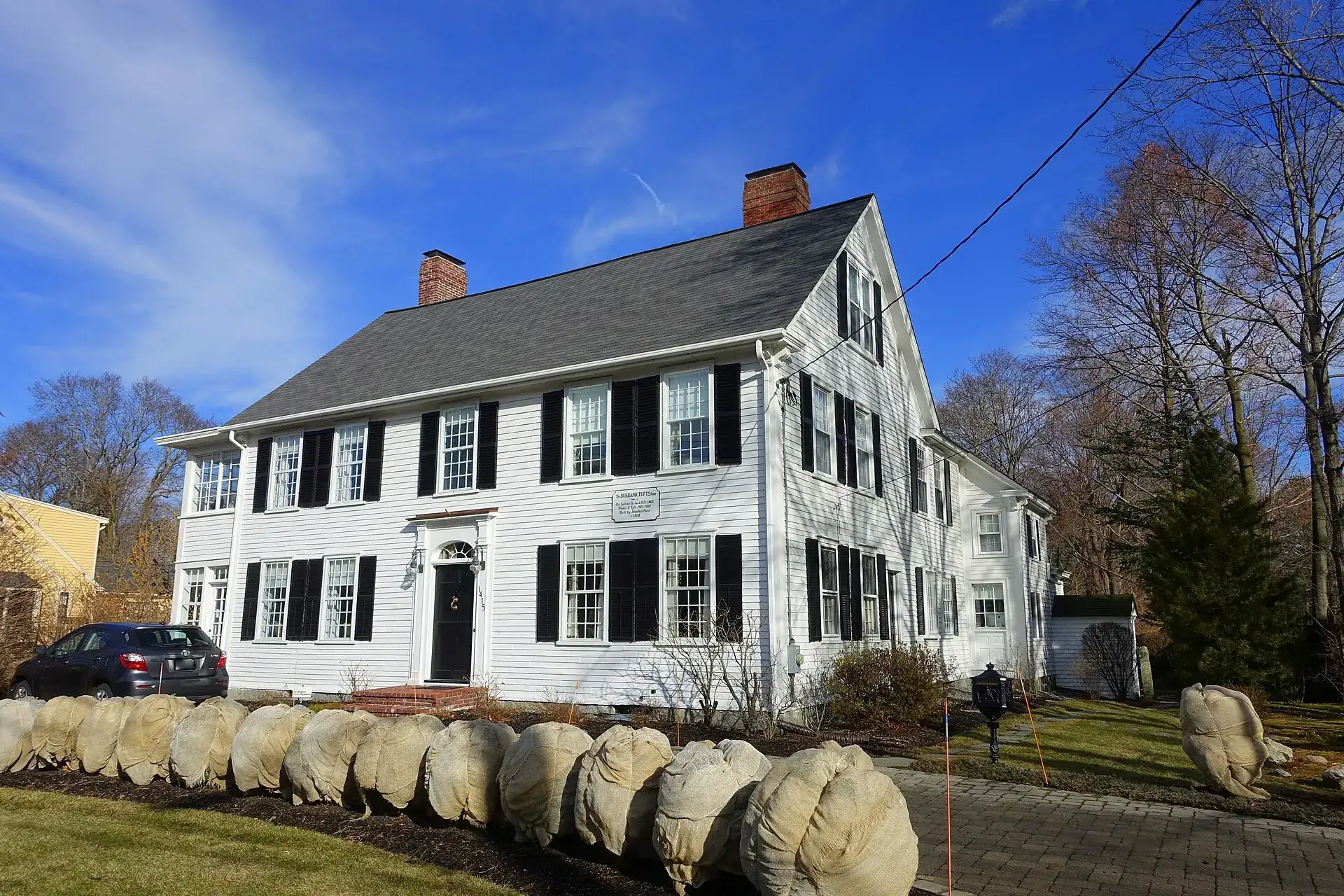
Cambridge is a dense city across the Charles River from Boston, home to Harvard and MIT. Cambridge packs historic mansions, Victorian two-families and rows of triple-deckers into a few square miles. Chimneys here range from the tall brick stacks of old Georgian houses to the narrow shared flues of multi-family buildings.
A large share of the housing stock was built before the 1940s, and many buildings have more than one flue serving separate floors. Older flues can be unlined or lined with tile that has shifted over the decades.
Many Cambridge chimneys no longer serve a fireplace and instead vent a boiler or furnace. A flue that has changed from one fuel to another may no longer match the appliance connected to it, which is worth checking.
Triple-deckers often have a chimney running up through the building, and each floor may be owned or rented separately, so access to the roof and the basement flue can take some coordination.
How to tell it is time to ask for help
How do you know it is time to ask? People usually describe one or more of these:
- You are buying or selling a house with a fireplace
- The appliance connected to the chimney is being replaced or changed
- You had a chimney fire, a lightning strike or a storm that hit the roof
- The chimney has not been inspected since you moved in
- Cracks, loose bricks or white staining on the masonry
- Water stains on the wall or ceiling near the chimney
What causes these problems?
Events and changes are the other trigger. A chimney fire, a lightning strike, an earthquake or a tree limb can damage a flue in ways that do not show from below. So can a change of appliance, such as a new insert, stove or boiler, because the old flue may not suit it. A sale of the house is a change too, since the buyer inherits whatever is inside.
Age adds up quietly in New England. Decades of freeze-thaw cycles, acidic flue gases and small leaks wear down liners and mortar. Many older houses around Boston also have chimneys that were modified without records: fireplaces closed, flues shared between floors, thimbles papered over. An inspection is how you find out what you actually own.
What chimney inspection involves
What an inspection involves depends on its level. A basic inspection covers the parts a technician can readily reach: firebox, damper, the visible flue, the appliance connection and the outside of the chimney. A more thorough inspection adds a camera run through the full flue and a look at accessible areas such as the attic, basement and crawl space. The technician then explains the findings, commonly with photos, and tells you what is sound, what should be watched and what needs work. Written reports are common for home sales, so ask for one if you need it.
What to do right now, before anyone arrives
- Stop using the fireplace or applianceTreat the fireplace or stove as out of service for now. Most chimney problems do not get worse while the flue sits cold and unused, but many get worse quickly when heat and smoke are added again.
- Smoke, gas or a CO alarm: leave firstA sounding carbon monoxide alarm is not a nuisance to silence. Leave the house with everyone in it, then call the emergency number or the gas company from outside. Come back to the chimney question once the house is declared safe.
- Do not light a test fireSkip the experiment with newspaper or a starter log. If an animal, a nest or fallen tile is in the flue, a fire will not clear it. It only adds heat and smoke to a flue that cannot vent.
- Note what you see, hear and smellWrite down what happened and when: smoke in the room, a smell, a stain, a noise, pieces in the firebox. Note the weather too. Rain, wind and cold snaps are useful clues when a technician is working out the cause.
- Send a requestPick the job type that sounds closest, choose your town and leave a name and phone number. The request is passed to an independent local chimney contractor, who calls you back to talk it through.
What happens after you send a request
- Send the short requestChoose the job type, your town and leave a name, phone number and ZIP code. Add a line about what the chimney serves if you know. It takes about a minute and you describe the problem once.
- We pass it to a local contractorAn independent chimney contractor covering Cambridge receives what you sent. That contractor, not this website, is the business that does the work and is responsible for it.
- The technician calls youA technician phones you back to go over the details. Have a few facts ready: the appliance, the fuel, the last sweep if you know it, and what made you send the request.
- They look at the chimney and explain the priceOn site, the technician looks at the chimney, often from the firebox and from the top, and explains what was found. You hear the options and the price before any work starts.
- The decision is yoursYou choose what happens next. Some homeowners book the work on the spot, and some take the findings away to think about. Either is fine, and the choice stays with you.
A typical visit, start to finish
For repair work the first visit is usually an assessment, not the repair itself. The technician looks at the damage, works out where water is getting in and decides how the chimney can be reached safely. Tall stacks and steep roofs may need staging, and that affects planning. You then get the options and the price. Masonry work is commonly scheduled around the weather, because mortar and crown material need mild, dry conditions to cure. Ask what the timeline looks like for your job.
How soon can someone look at it?
How soon a technician can come depends on the contractor's schedule, the season and the weather, so this site does not promise a time. Ask on the callback. If smoke came into the house, a carbon monoxide alarm sounded or you think there was a chimney fire, say so in the first sentence. Those are the situations a contractor will want to hear about first, and the chimney should stay unused until it has been looked at.
Winter visits are possible, and sometimes necessary. A fireplace that starts smoking in January or an animal that moves in during a cold spell cannot wait for May. Sweeping and camera inspections can generally be done in cold weather, though snow and ice on the roof may limit what a technician can safely reach from the top. Spring is then the moment to check what winter did: look for fresh cracks, flaked brick and new stains after the thaw.
Chimney Inspection in Cambridge? Talk to a technician.
Call (617) 751-6200How chimney inspection is priced
There is no price list on this site, on purpose. What chimney inspection costs depends on the chimney in front of the technician, and a number published online would be either wrong or bait. These are the things that actually move a quote:
- How deep the inspection needs to go for your reason
- Whether a camera is needed to see the liner
- Access to the roof and the flue
- Whether the chimney serves several appliances
- Whether the report is needed for a sale or an insurance question
Ask what is included, what could change the figure once work begins and how you would be told. You approve the price before any work starts, and you can take time to think it over.
What is safe to do yourself, and what is not
You can do useful looking on your own. From the ground, check the chimney for leaning, missing bricks, a damaged cap or staining. Indoors, shine a flashlight past the damper and look for debris, and check ceilings and walls near the chimney for water marks. Test that the damper moves. Write down what you find. What you cannot do is judge the liner, the smoke chamber or the hidden joints. That takes a camera, a trained eye and safe roof access.
Whatever appliance your chimney serves
Venting needs differ between a wood stove, a pellet stove, a gas insert and a factory-built fireplace, and between makers too. The pages for Harman, Quadra-Fire, Lopi, Napoleon, Regency and Heatilator describe the chimney side of each. This site is not affiliated with any manufacturer and is not a dealer; the names simply describe what may be in your home.
Prevent the next chimney problem
- Keep a simple record of every sweep, inspection and repair.
- Book an inspection before a new stove, insert or boiler is connected.
- Ask for a camera inspection when you buy a house with a chimney.
- Have the flue looked at after any chimney fire, however small it seemed.
- Walk around the house after major storms and look up at the stack.
Covering all of Cambridge
Cambridge requests include homes in Brattle Street, Massachusetts Avenue, Harvard Square, Inman Square and Porter Square. Older houses and newer ones are both welcome, and so are multi-family buildings where the chimney is shared. Neighbors over the line in Boston, Somerville, Arlington, Belmont and Watertown can use the same short form.
- Chimney Inspection in Boston
- Chimney Inspection in Somerville
- Chimney Inspection in Arlington
- Chimney Inspection in Belmont
- Chimney Inspection in Watertown
Straight answers about this service
- No borrowed credentialsMass Chimney Sweep has no staff, trucks or trade credentials of its own and does not pretend to. Ask the contractor directly about their qualifications and coverage.
- No pressureYou hear what the technician found and decide for yourself. Sending a request does not commit you to a sweep, a repair or anything else.
- Your details stay on taskWhat you send is passed to a contractor so they can contact you about this request. It is not sold on for unrelated marketing.
- Plain information firstThe pages here explain chimney terms, common causes and safe first steps in ordinary language, so you know what to ask when the technician calls.
- A referral service, said plainlyMass Chimney Sweep connects homeowners with independent local chimney contractors. It is not the company that does the sweeping, inspection or repair, and it says so on every page.
- One short requestJob type, town, name, phone and ZIP code. You describe the chimney once, without calling around or filling in a long questionnaire first.
More specific pages
Looking for something more specific? These pages cover the services, towns and questions people ask about most:
- Chimney Inspection (all of Greater Boston)
- Chimney sweep, inspection and repair in Cambridge
- Chimney Sweep and Cleaning in Cambridge
- Chimney Repair in Cambridge
- Creosote Removal in Cambridge
- Chimney Liner Repair in Cambridge
- Chimney Caps and Animal Removal in Cambridge
- Chimney camera inspection in Cambridge
- Chimney inspection for a home sale in Cambridge
- Chimney safety check in Cambridge
- Chimney fire damage in Cambridge
- Chimney draft problems in Cambridge
- Chimney Camera Inspection
- Real Estate Chimney Inspection
- Annual Chimney Inspection
- Chimney Fire Damage Inspection
- What are signs my chimney needs an inspection?
- Can I inspect my own chimney?
- What affects the cost of a chimney inspection?
Get chimney inspection in Cambridge moving
The next step takes about a minute. Tell us the job and your town, and an independent local chimney technician calls you back to talk it through.
Questions from Cambridge
My home inspector looked at the chimney. Is that enough?
A general home inspection usually covers what is visible from the ground, the roof edge and the firebox. It does not normally include the inside of the flue. Home inspectors themselves often recommend a separate chimney inspection for that reason.
What is a Level 1, 2 or 3 chimney inspection?
These are the levels used in chimney safety standards. Level 1 is a visual check of the accessible parts, Level 2 adds a camera look into the flue and is the usual choice for a home sale or after a change or an event, and Level 3 is used when a hidden problem is suspected and parts of the structure may be opened. A technician can tell you which level fits your case.
Do I need an inspection when buying a house?
Many buyers ask for one when the house has a fireplace or stove, because the inside of a flue cannot be judged from the living room. It is worth raising with your agent or inspector.
Do I need an inspection if my Cambridge chimney only vents a boiler?
Yes, it is still worth having the flue checked. A boiler flue can crack or clog, and when the heating appliance is replaced the old flue may not suit the new one.
Is this the company that does the work?
Mass Chimney Sweep is a referral service that connects homeowners with local chimney contractors. The sweeping, inspection or repair is done by the independent contractor who takes your request, not by this site.
Do you give prices online?
No. The cost depends on the chimney, what it serves, how it is reached and what the technician finds, so the contractor quotes after looking and explains the price before any work starts.
Will the visit make a mess in the house?
Sweeps commonly protect the room with drop cloths and use a vacuum built for fine soot, so a careful job should leave little behind. It is fair to ask the contractor on the callback how they keep dust under control in the room.
Do I need to be home for the visit?
In most cases yes, because the technician needs to reach the fireplace, stove or basement appliance from inside. For work that is only on the outside of the chimney, ask the contractor whether someone needs to be there on the day.
Can I just ask for someone to look at it?
Yes. Choose the inspection job type and say that you want the chimney looked over. The technician tells you what they find and what, if anything, needs doing. You are free to stop there and think about it.
Is a carbon monoxide alarm enough protection?
An alarm is essential, but it is a warning, not a fix. It tells you gases are already in the room. A clear, sound flue is what keeps them out in the first place. Have working alarms on every level and have the venting checked as well.