
Chimney Inspection in Watertown, MA
Independent local contractors · Price explained before any work starts · Boston and 20 nearby cities and towns
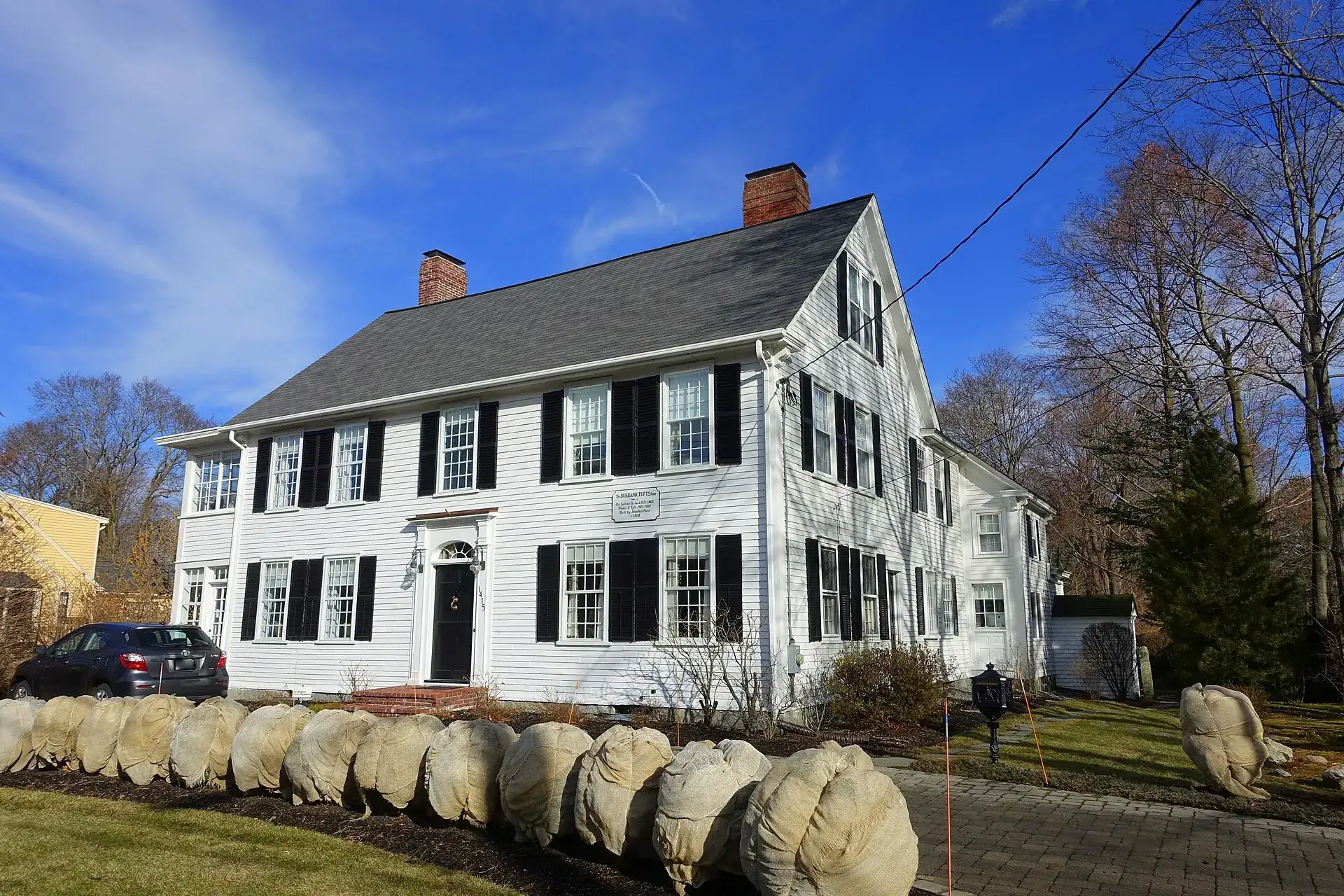
Need chimney inspection in Watertown? An inspection is how you find out what condition the inside of the chimney is in. A basic check looks at the parts that can be seen; a camera inspection sends a small camera up the flue to look at the liner and the joints. Inspections are also used when a house is bought or sold, when an appliance is changed, and after a chimney fire.
At a glance Who does the work: an independent local chimney contractor · Price: explained before any work starts · Area: Watertown and nearby towns · How: call (617) 751-6200 or send the short form
What makes chimneys in Watertown different
Watertown is a compact city on the Charles River between Cambridge, Belmont and Newton. Watertown is packed with two-family houses, many of them built in the early twentieth century along the streets off Mount Auburn Street and Main Street. A typical one has a central brick chimney running from the basement through both apartments to the roof.
In a two-family, that center chimney often carries separate flues for each unit's heating equipment. When one side upgrades a boiler and the other does not, the flues inside the same stack can end up in very different condition.
Gas heat is widespread here, and newer high-efficiency equipment is frequently vented through a side wall instead. That can leave a water heater alone on an oversized old flue, which is a setup a technician should look at.
Newer condo and apartment buildings around Arsenal Street generally do not have masonry chimneys at all, so most requests come from the older residential streets.
Warning signs worth acting on
Chimneys usually give some warning before a problem becomes serious. These are the signs homeowners mention most:
- You are buying or selling a house with a fireplace
- The appliance connected to the chimney is being replaced or changed
- You had a chimney fire, a lightning strike or a storm that hit the roof
- The chimney has not been inspected since you moved in
- Cracks, loose bricks or white staining on the masonry
- Water stains on the wall or ceiling near the chimney
The root causes behind chimney inspection calls
Age adds up quietly in New England. Decades of freeze-thaw cycles, acidic flue gases and small leaks wear down liners and mortar. Many older houses around Boston also have chimneys that were modified without records: fireplaces closed, flues shared between floors, thimbles papered over. An inspection is how you find out what you actually own.
Most of a chimney cannot be seen. The flue runs inside walls and through the attic, and the top is above the roof. Cracks in the liner, missing mortar between tiles and blockages develop out of sight and give little warning in the living room. That is the basic reason chimney safety standards recommend looking once a year, whether or not anything seems wrong.
What chimney inspection involves
What an inspection involves depends on its level. A basic inspection covers the parts a technician can readily reach: firebox, damper, the visible flue, the appliance connection and the outside of the chimney. A more thorough inspection adds a camera run through the full flue and a look at accessible areas such as the attic, basement and crawl space. The technician then explains the findings, commonly with photos, and tells you what is sound, what should be watched and what needs work. Written reports are common for home sales, so ask for one if you need it.
What to do right now, before anyone arrives
- Stop using the fireplace or applianceDo not light another fire until someone has looked at the chimney. If the problem is with a stove, insert or boiler flue, leave that appliance off as well if you can do so safely. Using it again can make damage worse.
- Smoke, gas or a CO alarm: leave firstA sounding carbon monoxide alarm is not a nuisance to silence. Leave the house with everyone in it, then call the emergency number or the gas company from outside. Come back to the chimney question once the house is declared safe.
- Do not light a test fireSkip the experiment with newspaper or a starter log. If an animal, a nest or fallen tile is in the flue, a fire will not clear it. It only adds heat and smoke to a flue that cannot vent.
- Note what you see, hear and smellA short list helps: what the chimney serves, what you burn, when it was last swept if you know, and what changed. You do not need to diagnose anything. Just describe what you noticed in plain words.
- Send a requestFill in the short form with what you noticed and where you live. A local chimney technician gets the request and calls. That call is the moment to ask how soon a visit is possible.
From request to finished work: the process
- Tell us what the chimney is doingThe form asks for the job type, the town, your name, phone and ZIP code. Nothing else is required. If you are unsure which job fits, choose the nearest one and explain on the call.
- The request goes to a chimney technicianAn independent chimney contractor covering Watertown receives what you sent. That contractor, not this website, is the business that does the work and is responsible for it.
- You get a callbackThe contractor calls to ask what you have noticed and what the chimney serves, and to arrange a visit. That call is the right moment to ask about timing and anything urgent.
- Options and price, before any workAfter looking at the flue, the masonry and the appliance connection, the contractor lays out the choices and the cost of each. Ask for it in writing if the job is more than a routine sweep.
- You decideIf the plan and the price make sense to you, you approve it. If they do not, you are free to say no. There is no obligation attached to asking a contractor to look.
What a chimney visit usually involves
An inspection visit is mostly looking and explaining. The technician generally checks the firebox, damper and the visible flue from below, and the crown, cap, flashing and brickwork from outside. If the reason for the visit calls for it, a camera is run through the flue to see the liner and its joints. Many contractors show the pictures or video and walk you through them. You should come away knowing the condition of the chimney, what is urgent, what can wait and what the options are.
Timing and urgent situations
Timing for the work itself is a separate question from timing for the first look. A sweep is commonly done in one visit. Relining, crown work or rebuilding may need materials, staging or a stretch of dry weather, and the contractor can only tell you that after seeing the chimney. Ask two things on the callback: when someone can look at it, and what would be needed before the repair could start.
Late spring and summer are the quiet months for chimney contractors in New England, and that makes them a practical time to ask for a sweep or an inspection. The heating season has just ended, so the deposits from winter are all there to be seen. If something needs repair, there are warm months ahead to get it done. Waiting until the first cold night of fall puts your request in line with everyone else who had the same thought.
Chimney Inspection in Watertown? Talk to a technician.
Call (617) 751-6200How chimney inspection is priced
There is no price list on this site, on purpose. What chimney inspection costs depends on the chimney in front of the technician, and a number published online would be either wrong or bait. These are the things that actually move a quote:
- How deep the inspection needs to go for your reason
- Whether a camera is needed to see the liner
- Access to the roof and the flue
- Whether the chimney serves several appliances
- Whether the report is needed for a sale or an insurance question
Ask what is included, what could change the figure once work begins and how you would be told. You approve the price before any work starts, and you can take time to think it over.
DIY or technician? A straight answer
You can do useful looking on your own. From the ground, check the chimney for leaning, missing bricks, a damaged cap or staining. Indoors, shine a flashlight past the damper and look for debris, and check ceilings and walls near the chimney for water marks. Test that the damper moves. Write down what you find. What you cannot do is judge the liner, the smoke chamber or the hidden joints. That takes a camera, a trained eye and safe roof access.
Whatever appliance your chimney serves
Chimney contractors around Boston commonly work on flues that serve stoves, inserts and fireplaces from the makers found in local homes, including Jøtul, Vermont Castings, Hearthstone, Harman, Quadra-Fire and Lopi. If you can see a name on the appliance or its data plate, mention it in your request. Mass Chimney Sweep is not affiliated with any manufacturer.
Care that fits a New England chimney
- Keep a simple record of every sweep, inspection and repair.
- Book an inspection before a new stove, insert or boiler is connected.
- Ask for a camera inspection when you buy a house with a chimney.
- Have the flue looked at after any chimney fire, however small it seemed.
- Walk around the house after major storms and look up at the stack.
Covering all of Watertown
Wherever you are in Watertown, whether that is Watertown Square, Coolidge Square, Mount Auburn Street, Arsenal Street and Oakley or a street in between, the request goes to an independent chimney contractor who covers the town. The surrounding communities of Cambridge, Belmont, Newton and Waltham are covered in the same way.
- Chimney Inspection in Cambridge
- Chimney Inspection in Belmont
- Chimney Inspection in Newton
- Chimney Inspection in Waltham
How Mass Chimney Sweep works
- One short requestJob type, town, name, phone and ZIP code. You describe the chimney once, without calling around or filling in a long questionnaire first.
- Local, independent contractorsThe request goes to a chimney contractor who works in Watertown. There is no national call center between you and the person who looks at the flue.
- A look before a priceThe technician looks at the chimney and explains the options and the price before any work starts. You are not asked to agree to anything unseen.
- No invented pricesYou will not find a made-up price list or a teaser rate here. Chimneys differ too much for that, so the contractor quotes after seeing yours.
- No time promisesThis site does not control any contractor's calendar, so it does not promise arrival times. Ask the technician on the callback and say if something is urgent.
- No borrowed credentialsMass Chimney Sweep has no staff, trucks or trade credentials of its own and does not pretend to. Ask the contractor directly about their qualifications and coverage.
More specific pages
Looking for something more specific? These pages cover the services, towns and questions people ask about most:
- Chimney Inspection (all of Greater Boston)
- Chimney sweep, inspection and repair in Watertown
- Chimney Sweep and Cleaning in Watertown
- Chimney Repair in Watertown
- Creosote Removal in Watertown
- Chimney Liner Repair in Watertown
- Chimney Caps and Animal Removal in Watertown
- Chimney camera inspection in Watertown
- Chimney inspection for a home sale in Watertown
- Chimney safety check in Watertown
- Chimney fire damage in Watertown
- Chimney draft problems in Watertown
- Chimney Camera Inspection
- Real Estate Chimney Inspection
- Annual Chimney Inspection
- Chimney Fire Damage Inspection
- What affects the cost of a chimney inspection?
- What are the levels of chimney inspection?
- Do I need a chimney inspection when buying a house?
Get chimney inspection in Watertown moving
If you are asking about chimney inspection in Watertown, start with the form. It goes to a local independent contractor, and asking does not commit you to anything.
Questions from Watertown
What is a Level 1, 2 or 3 chimney inspection?
These are the levels used in chimney safety standards. Level 1 is a visual check of the accessible parts, Level 2 adds a camera look into the flue and is the usual choice for a home sale or after a change or an event, and Level 3 is used when a hidden problem is suspected and parts of the structure may be opened. A technician can tell you which level fits your case.
Do I need an inspection when buying a house?
Many buyers ask for one when the house has a fireplace or stove, because the inside of a flue cannot be judged from the living room. It is worth raising with your agent or inspector.
How long does an inspection take?
A basic inspection is usually short; a camera inspection takes longer because the camera has to travel the whole flue. The technician can give you an idea when he calls.
Who pays for chimney repairs in a Watertown two-family?
That depends on how the property is owned. In a condo conversion the chimney is often a shared element, so check your documents. The technician can describe the work so the owners can sort out the split.
Is this the company that does the work?
Mass Chimney Sweep is a referral service that connects homeowners with local chimney contractors. The sweeping, inspection or repair is done by the independent contractor who takes your request, not by this site.
Do you give prices online?
No. The cost depends on the chimney, what it serves, how it is reached and what the technician finds, so the contractor quotes after looking and explains the price before any work starts.
I rent. Can I send a request?
You can, but chimney work is a decision for the property owner. In most cases it is simplest to tell your landlord or property manager what you noticed and let them arrange it. If there is smoke or a carbon monoxide alarm, leave and call the emergency number first.
My chimney only vents a boiler or furnace. Does it still need attention?
Yes. Heating flues carry combustion gases, including carbon monoxide, and they can be blocked by debris, fallen tile or a nest just like a fireplace flue. They are also easy to forget. Ask for an inspection and say which appliances use the chimney.
Do contractors work on old or unusual chimneys?
Many do. Greater Boston is full of chimneys built in the 1800s and early 1900s, with unlined flues, shared stacks and bricked-up fireplaces. Describe what you have as well as you can, and the technician will tell you what can be done with it.
Will the visit make a mess in the house?
Sweeps commonly protect the room with drop cloths and use a vacuum built for fine soot, so a careful job should leave little behind. It is fair to ask the contractor on the callback how they keep dust under control in the room.