
Chimney Repair in Boston, MA
Independent local contractors · Price explained before any work starts · Boston and 20 nearby cities and towns
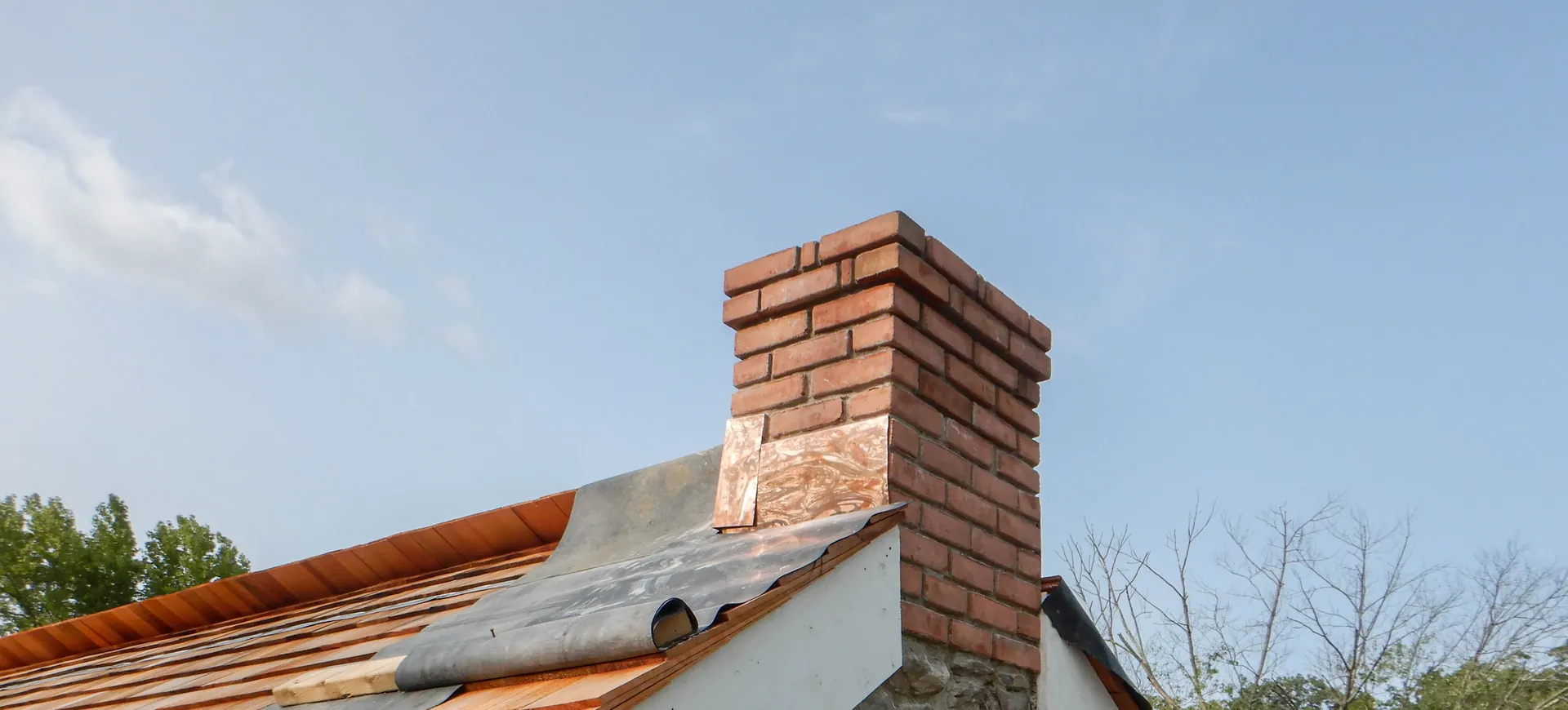
Need chimney repair in Boston? The part of a chimney above the roof sits in the weather all winter. Water gets into small cracks, freezes, and opens them further, so mortar joints wear away, crowns crack and bricks start to flake. Most chimney repair is about stopping water early, before it reaches the inside of the house or loosens the stack itself.
At a glance Who does the work: an independent local chimney contractor · Price: explained before any work starts · Area: Boston and nearby towns · How: call (617) 751-6200 or send the short form
Chimneys in Boston: what a local contractor sees
Boston is the largest city in New England, made up of neighborhoods from Beacon Hill to West Roxbury. Boston's housing changes block by block: brick rowhouses in Back Bay, Beacon Hill and the South End, triple-deckers across Dorchester, Roxbury and South Boston, and single-family colonials in West Roxbury and Roslindale. Each of those building types carries a different kind of chimney.
Much of the city was built before central heating as we know it, so a single rowhouse can have a fireplace flue on every floor, often sharing one tall stack with the neighbor. Many of those flues were later closed, converted for a boiler or left unused without ever being looked at.
In a lot of Boston buildings the working flue vents a gas or oil boiler in the basement, not a fireplace. When a fireplace is brought back into use after a long pause, the flue behind it should be inspected first.
Rowhouse chimneys usually sit on the party wall, so reaching the top can mean going through a roof hatch or working from a neighbor's roof, and that affects how the visit is planned.
When to ask about chimney repair
How do you know it is time to ask? People usually describe one or more of these:
- Mortar missing or crumbling between the bricks
- Bricks with flaking or broken faces, or pieces on the ground
- A cracked or crumbling cement crown at the top
- Water stains on the ceiling or wall near the chimney
- White powdery staining on the outside of the brick
- A chimney that leans or has a visible gap where it meets the house
What causes these problems?
Each part fails in its own way. Crowns are often made from ordinary mortar that cracks as it shrinks and ages. Flashing sealant dries out and metal lifts in the wind. Mortar joints erode fastest on the side that faces the weather. Hard modern cement used to patch soft old brick can trap moisture and make the brick itself flake.
Some damage comes from inside or below. Acidic flue gases from oil and gas appliances can eat at mortar from the flue side when a liner is missing or damaged. Settling foundations, roof work done around the stack, and old television antennas strapped to the brick also leave their mark. A technician looks for the cause as well as the damage, so the repair lasts.
What chimney repair involves
Repair starts with finding where the water or movement is coming from. The technician checks the crown, cap, flashing, joints and brick, and often the flue as well, then explains the options. Typical work includes repointing worn joints, replacing damaged bricks, repairing or rebuilding the crown, renewing flashing, and in serious cases rebuilding the chimney from the roofline up. Tall or steep jobs may need staging. Masonry work depends on mild, dry weather, so timing is discussed along with price. You should hear what is urgent and what can safely wait a season.
Five safe steps while you wait
- Stop using the fireplace or applianceLet the fire burn down and close the glass doors or screen. Then leave the fireplace alone. A flue that is blocked, cracked or heavily coated is not something to test with one more evening by the fire.
- Smoke, gas or a CO alarm: leave firstIf you smell gas, see smoke filling a room or hear a carbon monoxide alarm, get everyone outside and call the emergency number from there. A chimney request is for afterwards. It is never the first call in an emergency.
- Do not light a test fireDo not try to burn out soot, creosote or a nest. Deliberately burning deposits is how chimney fires start, and smoke will not drive an animal out safely. Leave the flue cold until a technician has seen it.
- Note what you see, hear and smellTake a few photos from the ground and from inside the room. A picture of the chimney top, the stained ceiling or the debris in the firebox tells a technician more than a description. Stay off the roof.
- Send a requestTell us the job and your town. Mass Chimney Sweep does not do the work itself. It hands your request to an independent chimney contractor near you, who explains the options and the price before anything starts.
What happens after you send a request
- Send the short requestPick the job that sounds closest to chimney repair, select Boston and leave your contact details. You do not need the right trade words. A plain description of what you noticed is enough.
- We pass it to a local contractorMass Chimney Sweep hands the request to a local chimney company that works in Boston. The site has no crews or trucks of its own. Its part ends at making the introduction.
- The technician calls youA technician phones you back to go over the details. Have a few facts ready: the appliance, the fuel, the last sweep if you know it, and what made you send the request.
- They look at the chimney and explain the priceOn site, the technician looks at the chimney, often from the firebox and from the top, and explains what was found. You hear the options and the price before any work starts.
- The decision is yoursGo ahead, wait, or get a second opinion. Sending a request through this site does not commit you to anything, and the agreement for any work is between you and the contractor.
What a chimney visit usually involves
A typical sweep visit starts indoors. The technician commonly lays drop cloths in front of the fireplace or stove and sets up a vacuum to keep soot out of the room. The flue is then brushed, from the firebox, from the roof or both, depending on the chimney. While the tools are out, the firebox, damper and smoke chamber usually get a look as well. At the end you should hear what was found and whether anything needs a closer inspection. Details vary by contractor, so ask on the callback.
Timing and urgent situations
Some chimney problems can wait and some should not. A routine sweep, a cap for an unused flue or a worn mortar joint can usually be planned. Smoke backing into rooms, a flue you suspect is blocked, loose bricks above a walkway or an active leak in a storm are more pressing. Tell the technician which it is. And if anyone feels unwell around a running fireplace or boiler, leave the house and call the emergency number.
Masonry repair follows the thermometer. Mortar, crown material and water repellents need temperatures above freezing, and usually several dry days, to cure properly. That is why repointing, crown rebuilding and waterproofing are normally scheduled from spring through fall. In winter a contractor can often make a damaged chimney safe or weathertight for the moment and come back for the permanent repair when conditions allow. Ask what is realistic for the month you are in.
Chimney Repair in Boston? Talk to a technician.
Call (617) 751-6200What affects the price of chimney repair
We do not publish prices for chimney repair. A fair price comes from seeing the flue, the masonry and the roof, so the contractor quotes after looking. When that quote arrives, expect it to depend on:
- How much of the chimney needs repointing or rebuilding
- Height of the chimney and how the roof is reached
- Whether the crown, flashing or cap is part of the job
- Type and age of the brick and mortar
- Whether staging or scaffolding is needed
When you compare quotes, compare the same scope: the same liner type, the same amount of repointing, the same inspection level. A low opening number with extras added later is not a lower price.
What is safe to do yourself, and what is not
From the ground, with binoculars if you have them, you can look for missing mortar, flaking brick, a cracked crown, lifted flashing and staining. Indoors, check the attic and ceilings around the chimney after heavy rain. Photograph what you see. Leave roof work, mortar work and sealants to a technician. Chimneys are high, old masonry is unpredictable, and the wrong mortar or a coat of the wrong sealer can trap water and speed up the damage you were trying to stop.
Whatever appliance your chimney serves
The appliance at the bottom of the flue matters as much as the flue itself. Homes here often have a stove, insert or factory-built fireplace from one of these makers: Lopi, Napoleon, Regency, Heatilator, Majestic and Jøtul. Tell the technician which you have. Brand names are used only to identify equipment, and this site is not affiliated with any manufacturer.
Prevent the next chimney problem
- Look at the stack from the ground each spring for new cracks or flaked brick.
- Fix a cracked crown early, before water reaches the bricks beneath it.
- Keep a cap on the flue so rain does not run straight down the liner.
- Have flashing checked whenever the roof is repaired or replaced.
- Ask whether a breathable water repellent suits your brick after repairs.
Covering all of Boston
Requests come in from all over Boston, including Back Bay, Beacon Hill, Dorchester, Jamaica Plain and West Roxbury. Whether the chimney serves a fireplace, a stove or the boiler in the basement, the request reaches a contractor who works in the area. Nearby Cambridge, Brookline, Somerville, Quincy, Milton and Newton have their own pages.
- Chimney Repair in Cambridge
- Chimney Repair in Brookline
- Chimney Repair in Somerville
- Chimney Repair in Quincy
- Chimney Repair in Milton
- Chimney Repair in Newton
Straight answers about this service
- Your details stay on taskWhat you send is passed to a contractor so they can contact you about this request. It is not sold on for unrelated marketing.
- Plain information firstThe pages here explain chimney terms, common causes and safe first steps in ordinary language, so you know what to ask when the technician calls.
- A referral service, said plainlyMass Chimney Sweep connects homeowners with independent local chimney contractors. It is not the company that does the sweeping, inspection or repair, and it says so on every page.
- One short requestJob type, town, name, phone and ZIP code. You describe the chimney once, without calling around or filling in a long questionnaire first.
- Local, independent contractorsThe request goes to a chimney contractor who works in Boston. There is no national call center between you and the person who looks at the flue.
- A look before a priceThe technician looks at the chimney and explains the options and the price before any work starts. You are not asked to agree to anything unseen.
More specific pages
Looking for something more specific? These pages cover the services, towns and questions people ask about most:
- Chimney Repair (all of Greater Boston)
- Chimney sweep, inspection and repair in Boston
- Chimney Sweep and Cleaning in Boston
- Chimney Inspection in Boston
- Creosote Removal in Boston
- Chimney Liner Repair in Boston
- Chimney Caps and Animal Removal in Boston
- Chimney leak repair in Boston
- Chimney crown replacement in Boston
- Chimney tuckpointing in Boston
- Leaning chimney in Boston
- Chimney flashing leak in Boston
- Chimney Repointing and Tuckpointing
- Chimney Crown Repair
- Chimney Flashing Repair
- Chimney Rebuilding
- What affects the cost of chimney repair?
- Why is my chimney leaking?
- What is spalling brick on a chimney?
Send the request in about a minute
One request, one callback. The technician looks at the chimney, tells you what it needs and what that costs, and the decision stays with you.
Questions from Boston
Should the chimney be waterproofed after repair?
A breathable water repellent is commonly applied to sound masonry to slow water absorption while letting trapped moisture out. It is not a substitute for fixing cracks, crowns or flashing first, and paint or non-breathable sealers can do harm. Ask what product is proposed and why.
How urgent is a cracked crown?
A hairline crack is not an emergency, but it is where water gets into the chimney, and each winter makes it wider. Dealing with it in the next mild season is sensible. Pieces missing from the crown or water appearing indoors make it more pressing.
Do historic districts affect chimney repair?
They can. In some Greater Boston historic districts, exterior work visible from the street may need approval, and brick, mortar color and joint style may have to match. Rules differ by town and district. Raise it with the contractor early and check with your local commission.
Can a closed fireplace in a Boston rowhouse be used again?
Sometimes, but not before an inspection. A flue that has been shut for a long time may be unlined, blocked or shared with another unit, and a camera shows what is really there.
Is this the company that does the work?
Mass Chimney Sweep is a referral service that connects homeowners with local chimney contractors. The sweeping, inspection or repair is done by the independent contractor who takes your request, not by this site.
Do you give prices online?
No. The cost depends on the chimney, what it serves, how it is reached and what the technician finds, so the contractor quotes after looking and explains the price before any work starts.
Do I need a permit for chimney work?
Some work, such as installing a stove, relining for a new appliance or rebuilding a stack, may need a permit from the local building department, and historic districts can have their own rules. Requirements vary by town. Ask the contractor and check with Boston officials.
Am I committed to anything by sending a request?
No. Sending a request does not commit you to any work. Whether the contractor charges for a visit or an inspection is up to them, so ask about that on the callback, before anyone comes out. After hearing the options you can say yes, no or not yet.
How does a request work?
You send the job type, your town, name, phone and ZIP code. The request is passed to an independent chimney contractor who serves Boston. They call you back, look at the chimney, explain the options and the price, and you decide whether to go ahead.
Is it safe to use the fireplace before a technician sees it?
Not if smoke came into the room, something fell into the firebox, you heard an animal or you suspect a chimney fire. In those cases leave it unlit. If you only want a routine sweep and nothing seems wrong, ask the technician on the callback.