
Chimney Repair in Quincy, MA
Independent local contractors · Price explained before any work starts · Boston and 20 nearby cities and towns
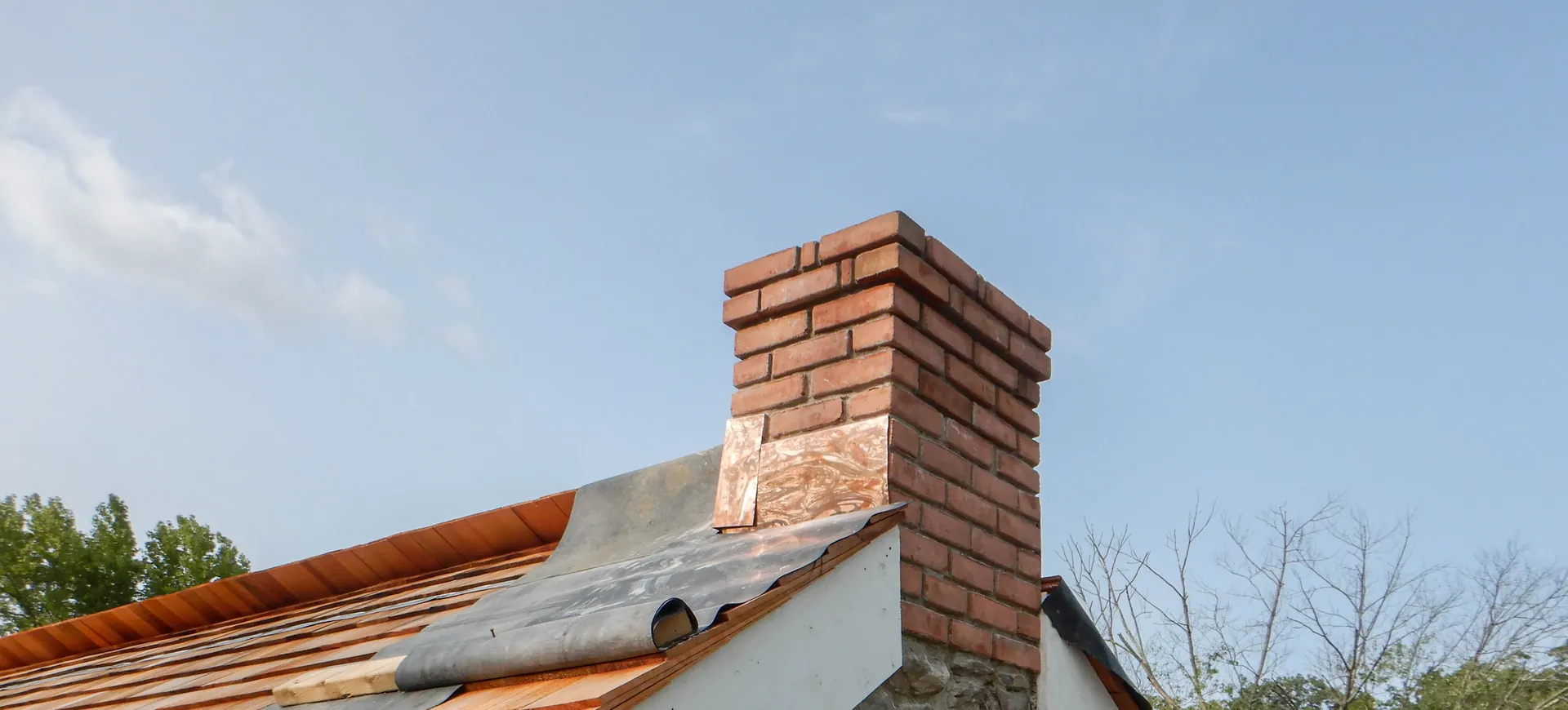
Need chimney repair in Quincy? The part of a chimney above the roof sits in the weather all winter. Water gets into small cracks, freezes, and opens them further, so mortar joints wear away, crowns crack and bricks start to flake. Most chimney repair is about stopping water early, before it reaches the inside of the house or loosens the stack itself.
At a glance Who does the work: an independent local chimney contractor · Price: explained before any work starts · Area: Quincy and nearby towns · How: call (617) 751-6200 or send the short form
Chimneys in Quincy: what a local contractor sees
Quincy is a coastal city just south of Boston on Quincy Bay, known as the City of Presidents. Quincy stretches from the shoreline at Wollaston Beach and Houghs Neck up to the old granite quarries in West Quincy. Capes, colonials and two-families make up most of its residential streets, and a large share of them have a masonry chimney.
Homes close to the water take wind-driven rain and salt air, and that combination is hard on mortar joints, crowns and metal caps. A chimney on the peninsula neighborhoods can weather faster than one a few miles inland.
Plenty of Quincy houses heat with oil or gas through a basement appliance that vents into the chimney, with a fireplace as a second flue in the same stack. Both flues deserve attention, not only the one you can see from the living room.
Squantum and Houghs Neck have many smaller houses on tight lots, where the chimney may be close to a neighbor's roofline and access needs a little planning.
When to ask about chimney repair
How do you know it is time to ask? People usually describe one or more of these:
- Mortar missing or crumbling between the bricks
- Bricks with flaking or broken faces, or pieces on the ground
- A cracked or crumbling cement crown at the top
- Water stains on the ceiling or wall near the chimney
- White powdery staining on the outside of the brick
- A chimney that leans or has a visible gap where it meets the house
What causes these problems?
Each part fails in its own way. Crowns are often made from ordinary mortar that cracks as it shrinks and ages. Flashing sealant dries out and metal lifts in the wind. Mortar joints erode fastest on the side that faces the weather. Hard modern cement used to patch soft old brick can trap moisture and make the brick itself flake.
Some damage comes from inside or below. Acidic flue gases from oil and gas appliances can eat at mortar from the flue side when a liner is missing or damaged. Settling foundations, roof work done around the stack, and old television antennas strapped to the brick also leave their mark. A technician looks for the cause as well as the damage, so the repair lasts.
What chimney repair involves
Repair starts with finding where the water or movement is coming from. The technician checks the crown, cap, flashing, joints and brick, and often the flue as well, then explains the options. Typical work includes repointing worn joints, replacing damaged bricks, repairing or rebuilding the crown, renewing flashing, and in serious cases rebuilding the chimney from the roofline up. Tall or steep jobs may need staging. Masonry work depends on mild, dry weather, so timing is discussed along with price. You should hear what is urgent and what can safely wait a season.
What to do right now, before anyone arrives
- Stop using the fireplace or applianceLet the fire burn down and close the glass doors or screen. Then leave the fireplace alone. A flue that is blocked, cracked or heavily coated is not something to test with one more evening by the fire.
- Smoke, gas or a CO alarm: leave firstIf you smell gas, see smoke filling a room or hear a carbon monoxide alarm, get everyone outside and call the emergency number from there. A chimney request is for afterwards. It is never the first call in an emergency.
- Do not light a test fireDo not try to burn out soot, creosote or a nest. Deliberately burning deposits is how chimney fires start, and smoke will not drive an animal out safely. Leave the flue cold until a technician has seen it.
- Note what you see, hear and smellTake a few photos from the ground and from inside the room. A picture of the chimney top, the stained ceiling or the debris in the firebox tells a technician more than a description. Stay off the roof.
- Send a requestPick the job type that sounds closest, choose your town and leave a name and phone number. The request is passed to an independent local chimney contractor, who calls you back to talk it through.
From request to finished work: the process
- Send the short requestChoose the job type, your town and leave a name, phone number and ZIP code. Add a line about what the chimney serves if you know. It takes about a minute and you describe the problem once.
- We pass it to a local contractorAn independent chimney contractor covering Quincy receives what you sent. That contractor, not this website, is the business that does the work and is responsible for it.
- The technician calls youExpect a phone call from the chimney contractor. Describe the symptoms, mention how the roof is reached if you know, and ask when someone can come out to look.
- They look at the chimney and explain the priceAfter looking at the flue, the masonry and the appliance connection, the contractor lays out the choices and the cost of each. Ask for it in writing if the job is more than a routine sweep.
- The decision is yoursIf the plan and the price make sense to you, you approve it. If they do not, you are free to say no. There is no obligation attached to asking a contractor to look.
A typical visit, start to finish
A typical sweep visit starts indoors. The technician commonly lays drop cloths in front of the fireplace or stove and sets up a vacuum to keep soot out of the room. The flue is then brushed, from the firebox, from the roof or both, depending on the chimney. While the tools are out, the firebox, damper and smoke chamber usually get a look as well. At the end you should hear what was found and whether anything needs a closer inspection. Details vary by contractor, so ask on the callback.
When it cannot wait
Some chimney problems can wait and some should not. A routine sweep, a cap for an unused flue or a worn mortar joint can usually be planned. Smoke backing into rooms, a flue you suspect is blocked, loose bricks above a walkway or an active leak in a storm are more pressing. Tell the technician which it is. And if anyone feels unwell around a running fireplace or boiler, leave the house and call the emergency number.
Masonry repair follows the thermometer. Mortar, crown material and water repellents need temperatures above freezing, and usually several dry days, to cure properly. That is why repointing, crown rebuilding and waterproofing are normally scheduled from spring through fall. In winter a contractor can often make a damaged chimney safe or weathertight for the moment and come back for the permanent repair when conditions allow. Ask what is realistic for the month you are in.
Chimney Repair in Quincy? Talk to a technician.
Call (617) 751-6200How chimney repair is priced
There is no price list on this site, on purpose. What chimney repair costs depends on the chimney in front of the technician, and a number published online would be either wrong or bait. These are the things that actually move a quote:
- How much of the chimney needs repointing or rebuilding
- Height of the chimney and how the roof is reached
- Whether the crown, flashing or cap is part of the job
- Type and age of the brick and mortar
- Whether staging or scaffolding is needed
When you compare quotes, compare the same scope: the same liner type, the same amount of repointing, the same inspection level. A low opening number with extras added later is not a lower price.
DIY or technician? A straight answer
From the ground, with binoculars if you have them, you can look for missing mortar, flaking brick, a cracked crown, lifted flashing and staining. Indoors, check the attic and ceilings around the chimney after heavy rain. Photograph what you see. Leave roof work, mortar work and sealants to a technician. Chimneys are high, old masonry is unpredictable, and the wrong mortar or a coat of the wrong sealer can trap water and speed up the damage you were trying to stop.
Stove, insert and fireplace brands
The appliance at the bottom of the flue matters as much as the flue itself. Homes here often have a stove, insert or factory-built fireplace from one of these makers: Vermont Castings, Hearthstone, Harman, Quadra-Fire, Lopi and Napoleon. Tell the technician which you have. Brand names are used only to identify equipment, and this site is not affiliated with any manufacturer.
Prevent the next chimney problem
- Look at the stack from the ground each spring for new cracks or flaked brick.
- Fix a cracked crown early, before water reaches the bricks beneath it.
- Keep a cap on the flue so rain does not run straight down the liner.
- Have flashing checked whenever the roof is repaired or replaced.
- Ask whether a breathable water repellent suits your brick after repairs.
Coverage across Quincy and nearby
Requests come in from all over Quincy, including Wollaston, Squantum, Houghs Neck, Quincy Center and West Quincy. Whether the chimney serves a fireplace, a stove or the boiler in the basement, the request reaches a contractor who works in the area. Nearby Boston, Milton and Braintree have their own pages.
How Mass Chimney Sweep works
- No invented pricesYou will not find a made-up price list or a teaser rate here. Chimneys differ too much for that, so the contractor quotes after seeing yours.
- No time promisesThis site does not control any contractor's calendar, so it does not promise arrival times. Ask the technician on the callback and say if something is urgent.
- No borrowed credentialsMass Chimney Sweep has no staff, trucks or trade credentials of its own and does not pretend to. Ask the contractor directly about their qualifications and coverage.
- No pressureYou hear what the technician found and decide for yourself. Sending a request does not commit you to a sweep, a repair or anything else.
- Your details stay on taskWhat you send is passed to a contractor so they can contact you about this request. It is not sold on for unrelated marketing.
- Plain information firstThe pages here explain chimney terms, common causes and safe first steps in ordinary language, so you know what to ask when the technician calls.
More specific pages
Looking for something more specific? These pages cover the services, towns and questions people ask about most:
- Chimney Repair (all of Greater Boston)
- Chimney sweep, inspection and repair in Quincy
- Chimney Sweep and Cleaning in Quincy
- Chimney Inspection in Quincy
- Creosote Removal in Quincy
- Chimney Liner Repair in Quincy
- Chimney Caps and Animal Removal in Quincy
- Chimney leak repair in Quincy
- Chimney crown replacement in Quincy
- Chimney tuckpointing in Quincy
- Leaning chimney in Quincy
- Chimney flashing leak in Quincy
- Chimney Repointing and Tuckpointing
- Chimney Crown Repair
- Chimney Flashing Repair
- Chimney Rebuilding
- Why is my chimney leaking?
- What is spalling brick on a chimney?
- Should my chimney be repointed or rebuilt?
Send the request in about a minute
One request, one callback. The technician looks at the chimney, tells you what it needs and what that costs, and the decision stays with you.
Questions from Quincy
Can chimney masonry be repaired in winter?
Mortar needs to cure above freezing, so some masonry work waits for milder weather or needs protection from the cold. Urgent problems can often be stabilized first. The technician will tell you what is realistic for the season.
Why is my chimney leaking?
Common entry points are the crown, the flashing where the chimney meets the roof, open mortar joints and a missing cap. An inspection finds which one it is, because the stain inside is not always below the leak.
Can a damaged chimney be repaired, or must it be rebuilt?
It depends on how far the damage goes. Sound brick with worn joints can usually be repointed. When bricks are loose, badly flaked or the stack has shifted, a partial rebuild from the roofline up is more common. The technician explains which applies after looking closely.
Does salt air damage chimneys near Wollaston Beach?
It can speed up wear. Salt and moisture work on mortar and rust steel caps and chase covers, so chimneys near the shore are worth checking more closely during an inspection.
Is this the company that does the work?
Mass Chimney Sweep is a referral service that connects homeowners with local chimney contractors. The sweeping, inspection or repair is done by the independent contractor who takes your request, not by this site.
Do you give prices online?
No. The cost depends on the chimney, what it serves, how it is reached and what the technician finds, so the contractor quotes after looking and explains the price before any work starts.
What is the difference between a sweep and an inspection?
A sweep removes soot and creosote from the flue. An inspection assesses the condition of the chimney, sometimes with a camera. The two are often done together, and a sweep usually includes a basic look. Tell the technician why you are asking so the visit fits.
My building has several units. Who arranges chimney work?
It depends on who owns the chimney. In a condo it may be a common element managed by the association; in a rental building it is the owner. Check before you request work, because the contractor will need approval from whoever is responsible.
Can one visit cover more than one flue?
Usually. Many chimneys in Quincy hold two or more flues, for example one for a fireplace and one for a boiler. Mention every appliance that vents into the chimney when you send the request, so the contractor can plan the visit and quote accordingly.
What if the technician finds a bigger problem?
Then you hear about it before anything is done. A careful contractor shows you what was found, often with photos or camera footage, explains the options and gives a price for each. You can approve the work, wait or ask someone else for a second opinion.